
Salanova lettuce: a long and abundant harvest
Salanova lettuce varieties are super tasty and tender. The heads have much more leaves than ordinary lettuce, and you can harvest them for a long time.
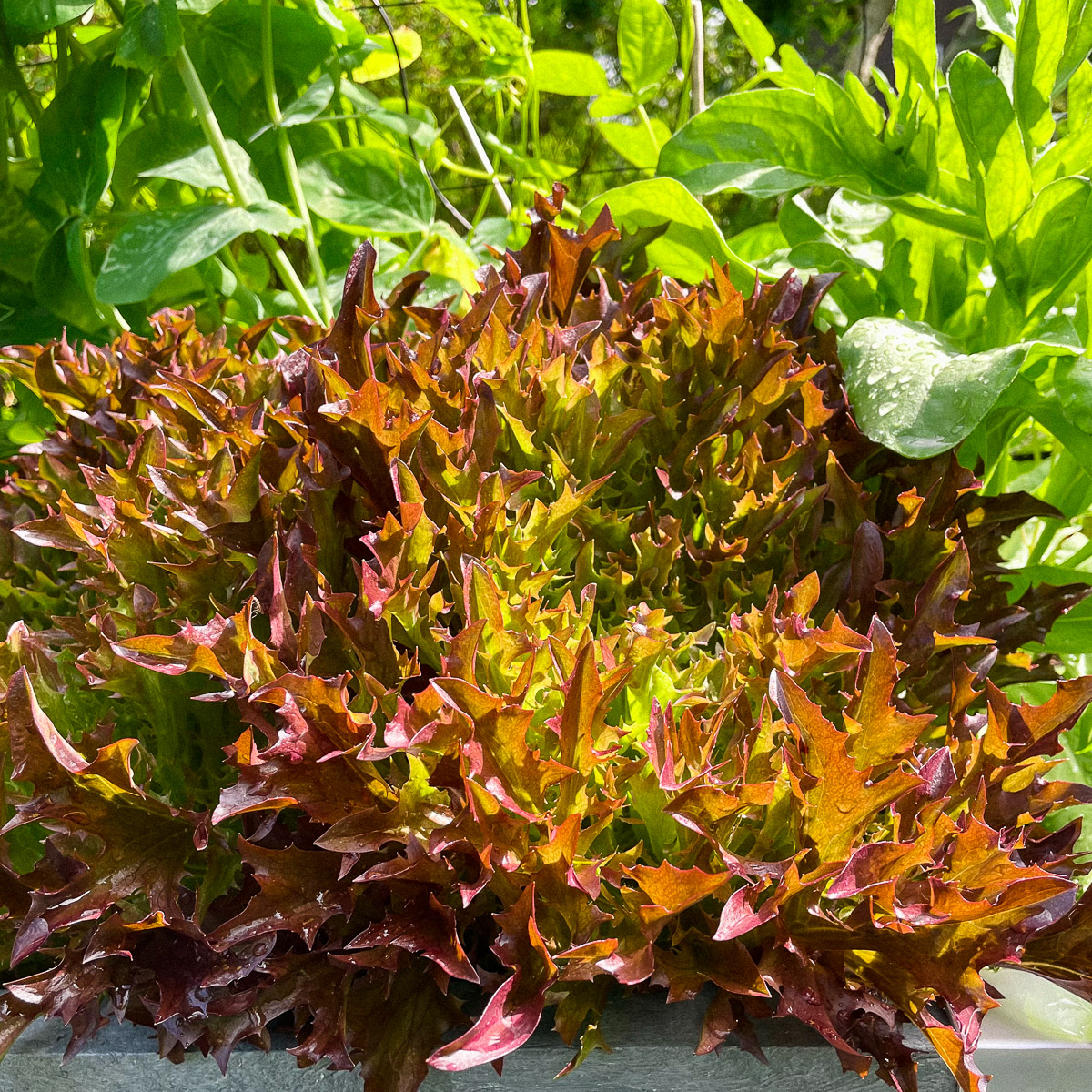
Salanovas: specially bred for an extra-large harvest
In 2022, we stumbled upon a lettuce variety that blew us all away: the heads produced an impressive yield that kept going, thanks to the plants’ delayed flowering.
This red lettuce was part of the Salanova family. It took some effort, but we managed to convince the company behind these seeds to provide us with four special Salanova varieties. We’re pretty proud of this, as these seeds aren’t available anywhere else for home growers.
Why is Salanova lettuce so special?
All lettuce varieties that fall under this category form compact and full heads with two to four times more leaves than regular lettuce. This is super convenient for professional growers because they only need to grow one head to achieve the same yield.
The leaves of a Salanova head stay fresher longer after harvesting than other types. Plus, they’re all about the same size and shape, which is exactly what their customers want—a salad full of small, uniform leaves just looks so much better.
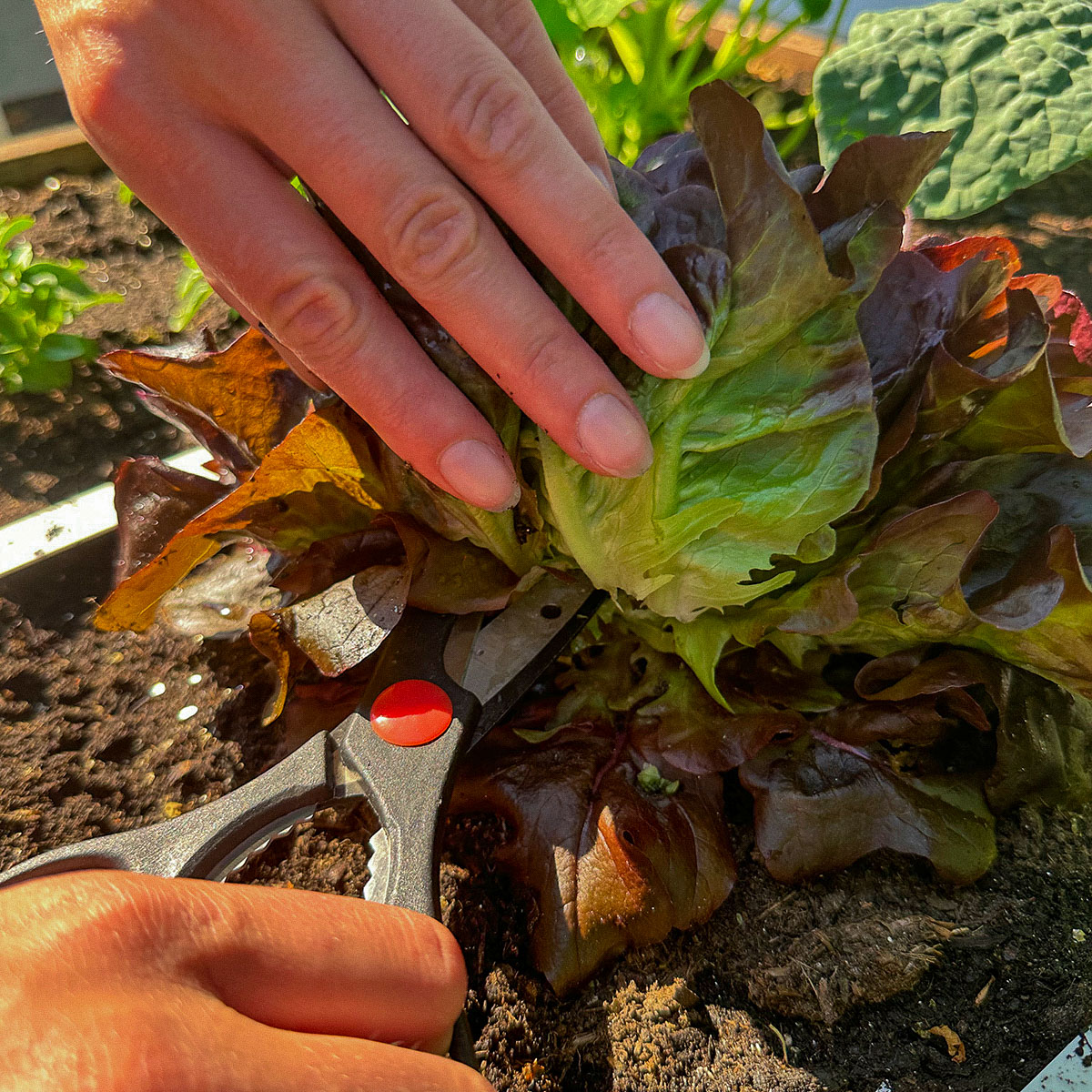
For us, these varieties have another big advantage: they’re slow to bolt. Since we don’t harvest the entire head at once but pick leaves as we need them, we can keep harvesting from a single head for a long time.
The leaves of a Salanova head stay fresher longer after harvesting than other types. Plus, they’re all about the same size and shape, which is exactly what their customers want—a salad full of small, uniform leaves just looks so much better.
For us, these varieties have another big advantage: they’re slow to bolt. Since we don’t harvest the entire head at once but pick leaves as we need them, we can keep harvesting from a single head for a long time.
Why are the seeds in clay pellets?
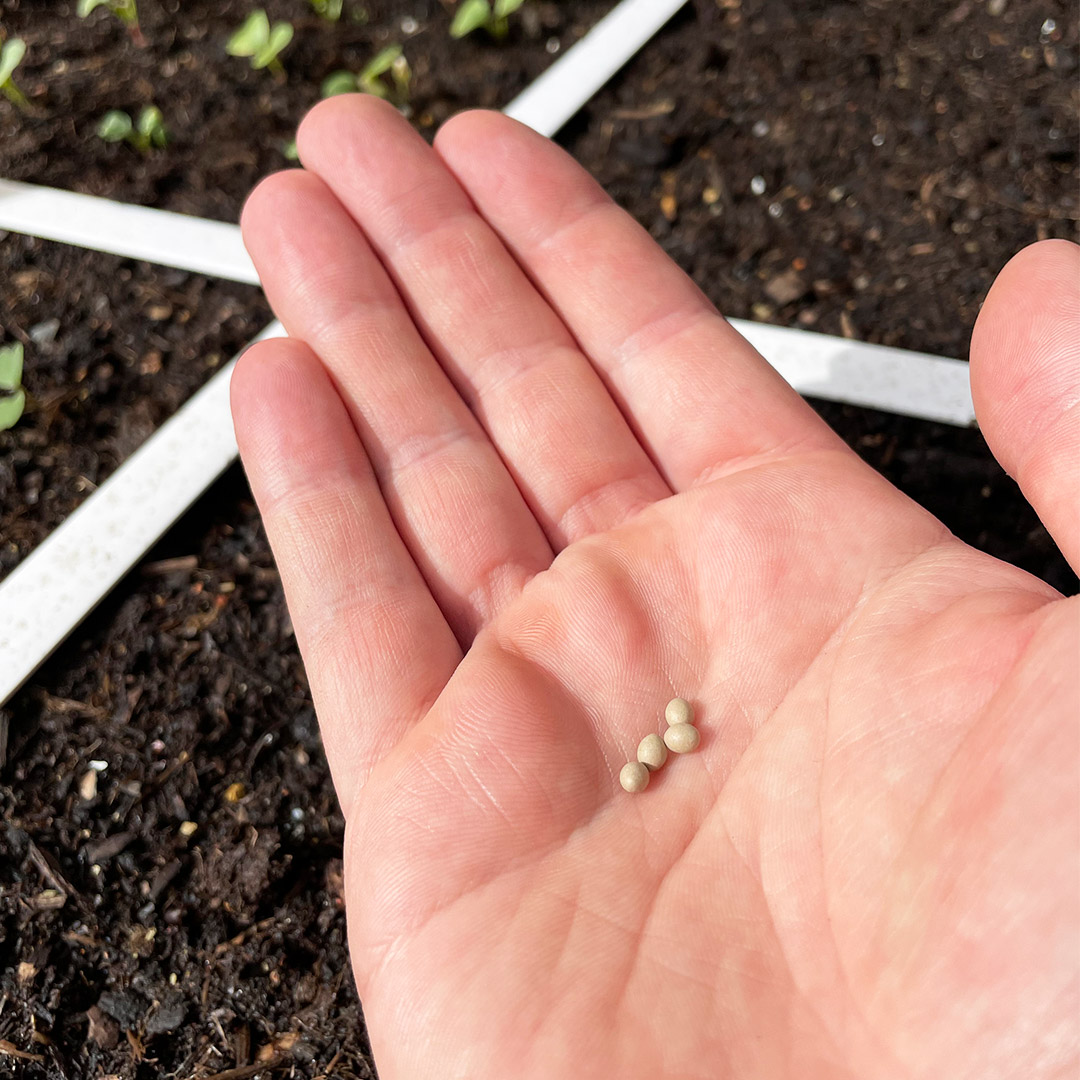
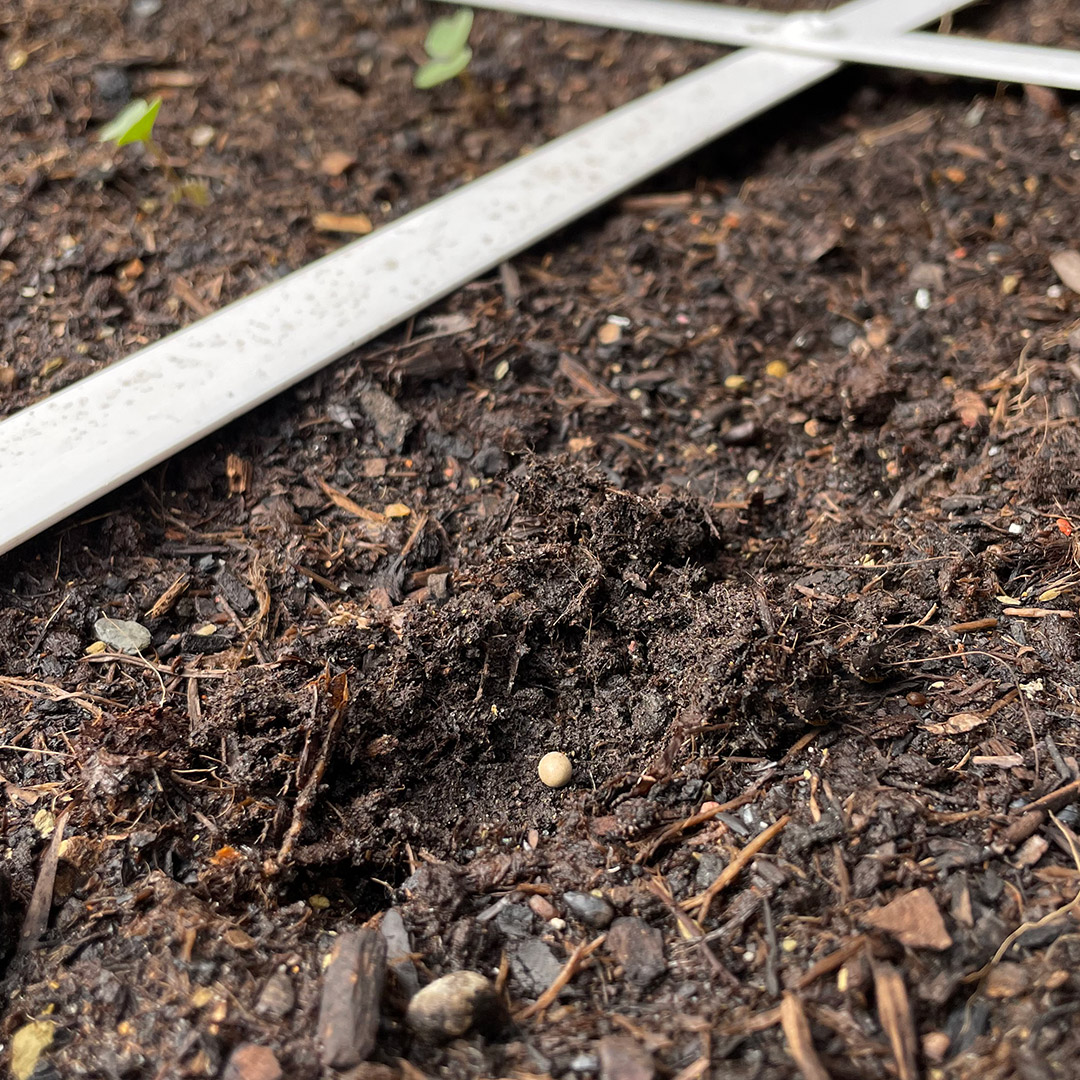
All Salanova seeds come in a small clay pellet.
This is super convenient because it makes planting a breeze, and you’re way less likely to lose them compared to regular seeds without the clay coating. This is especially helpful with tiny lettuce seeds.
Is that the only reason?
Actually, that's just a nice extra perk.
The real benefit of the clay coating is that it gives the seeds the best possible start. To ensure they germinate reliably, grow strong and easily, and deliver a high yield, these seeds get a head start before planting.
The real benefit of the clay coating is that it gives the seeds the best possible start. To ensure they germinate reliably, grow strong and easily, and deliver a high yield, these seeds get a head start before planting.
First, the seeds are thoroughly rinsed and partially pre-germinated in a process called 'priming.' This makes them a bit delicate, so they’re coated in a layer of clay for protection.
Which Salanova varieties do you sell?
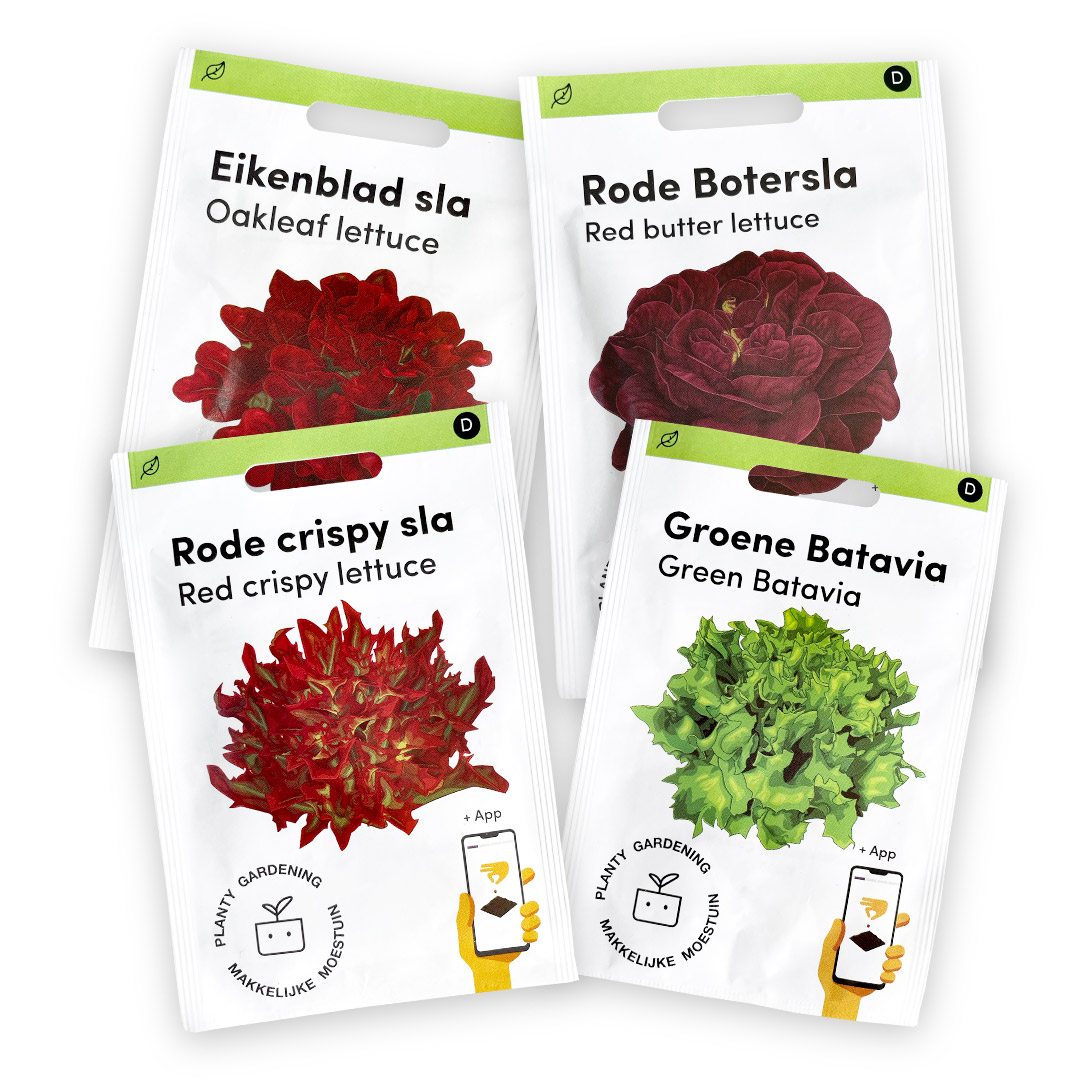
The four Salanova varieties that are sold are:
By the way, the red varieties have another advantage, as slugs tend to leave red lettuce alone more than green lettuce.
You can find all of these varieties in the app, which will guide you from seed to harvest.
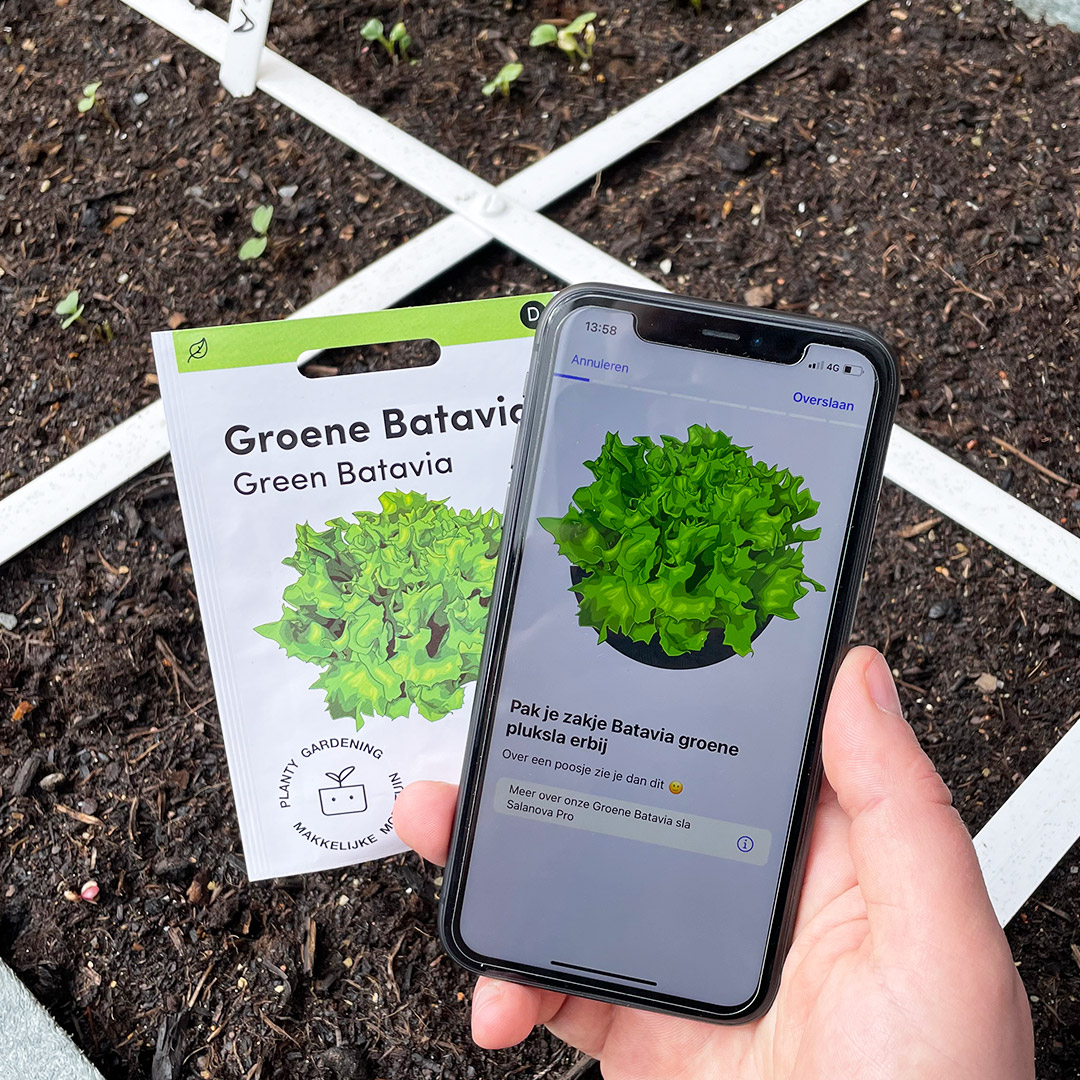
All varieties are planted and harvested the same way.
To ensure the seedlings grow well, start them indoors and transplant them as small plants into your garden bed. This way, you make the best use of your space and can keep harvesting almost year-round.
Curious to see how this looks in practice? You’ll find a detailed description of the Crispy red lettuce right on this page.
Enjoy!
Enjoy!