
How long do seeds stay viable?
Seed packets have a best-before or expiry date. What does that date mean, and can you still use the seeds afterwards?
The information on this page applies to all seeds except the Salanova varieties.
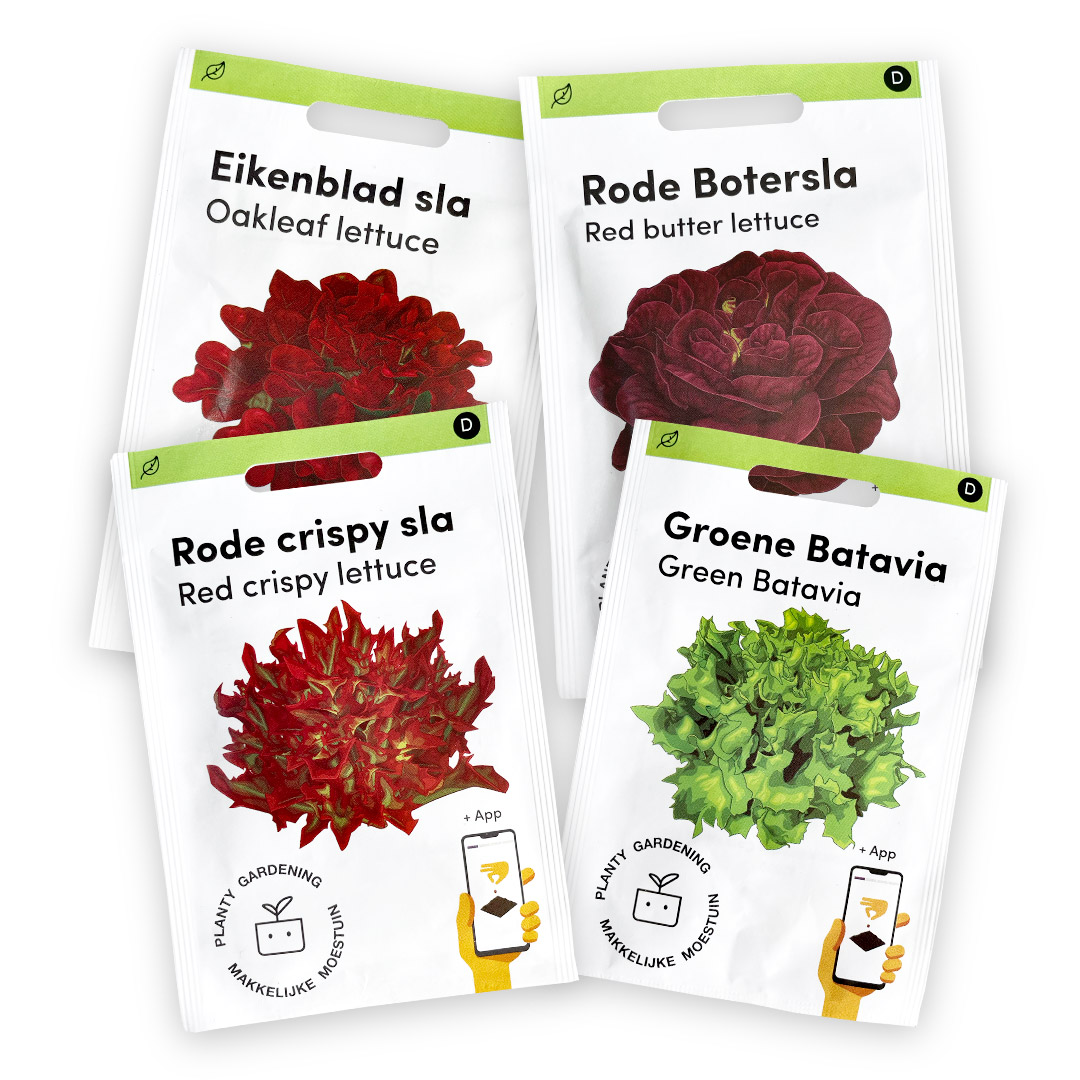
The seeds of Red Crispy lettuce, Green Batavia lettuce, Red Butterleaf lettuce, Oakleaf lettuce and Crystal lettuce have already been pre-germinated slightly and are enclosed in a clay pellet.
Even when stored in the fridge, they remain viable for no more than one year. It is better still to sow them in the same year you receive them.
The seeds of Red Crispy lettuce, Green Batavia lettuce, Red Butterleaf lettuce, Oakleaf lettuce and Crystal lettuce have already been pre-germinated slightly and are enclosed in a clay pellet.
Even when stored in the fridge, they remain viable for no more than one year. It is better still to sow them in the same year you receive them.
Seeds usually stay good for a long time
As long as you close the packets properly after use and store them somewhere cool and dry indoors. If you don't, and leave the packets open, the seeds deteriorate much faster.
But the best-before date is there for a reason, isn't it?
That's right. The date shows you the optimal germination timeframe. Optimal means that 95% of the seeds will sprout before that date.
With our seeds, it's usually 2 or 3 years from now:
With our seeds, it's usually 2 or 3 years from now:
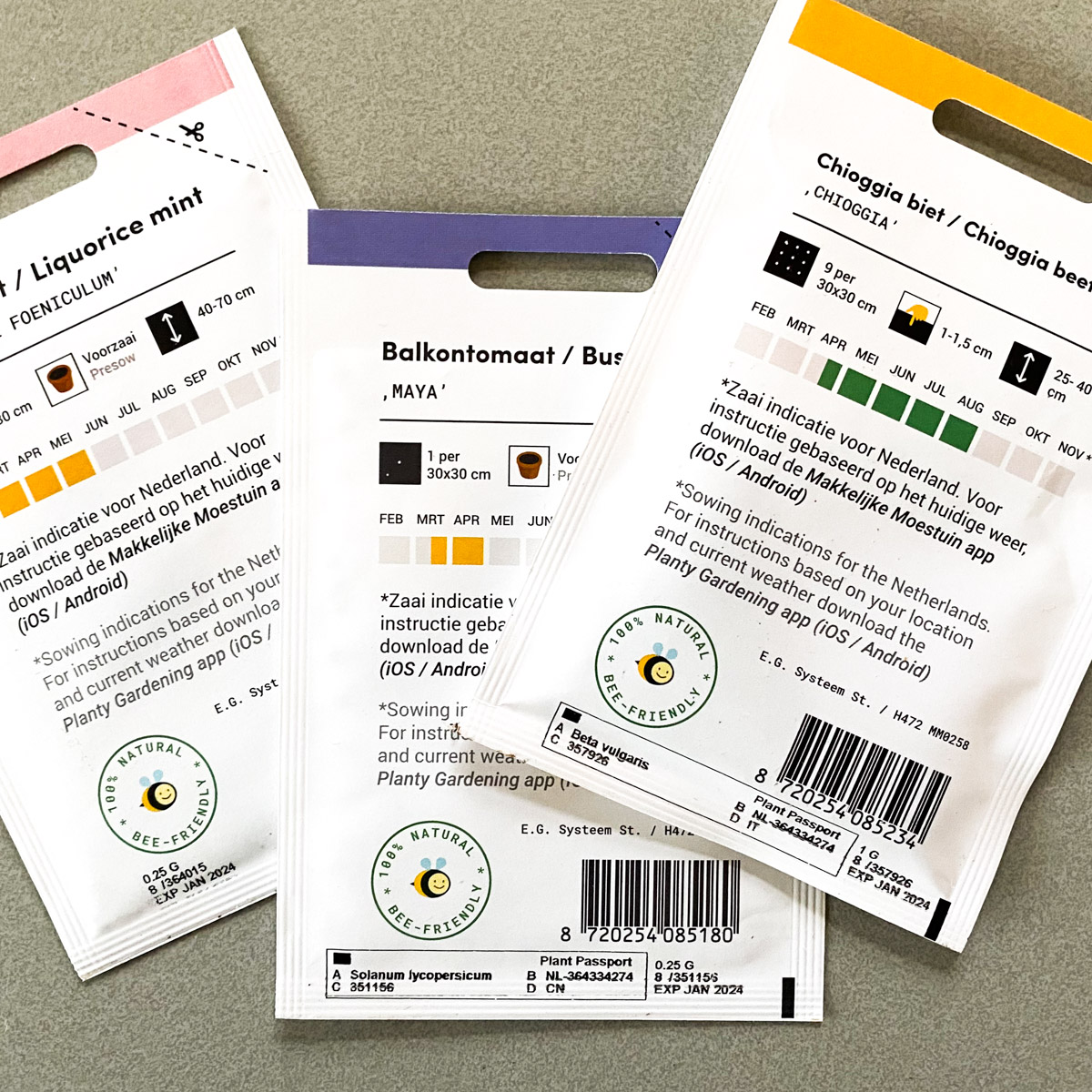
It also depends on when the seeds are packed. If they're packed later in the year, they still get the same date, even if the seeds are fresher.
We use a date two or three years ahead. Other seed companies usually allow three to four years.
We use a date two or three years ahead. Other seed companies usually allow three to four years.
And after that date? What happens then?
After that, the germination rate starts to fall. For example, from 95% to 80%. That still means four out of five seeds germinate.
Some seeds lose viability faster than others. Yet every packet gets the same best-before date, whether it contains lettuce or cucumber seeds. That doesn't make much sense, because those vegetables differ enormously.
For example, I'm still sowing tall sugar snap seeds I bought in the USA seven years ago. They still all germinate.
Some seeds lose viability faster than others. Yet every packet gets the same best-before date, whether it contains lettuce or cucumber seeds. That doesn't make much sense, because those vegetables differ enormously.
For example, I'm still sowing tall sugar snap seeds I bought in the USA seven years ago. They still all germinate.
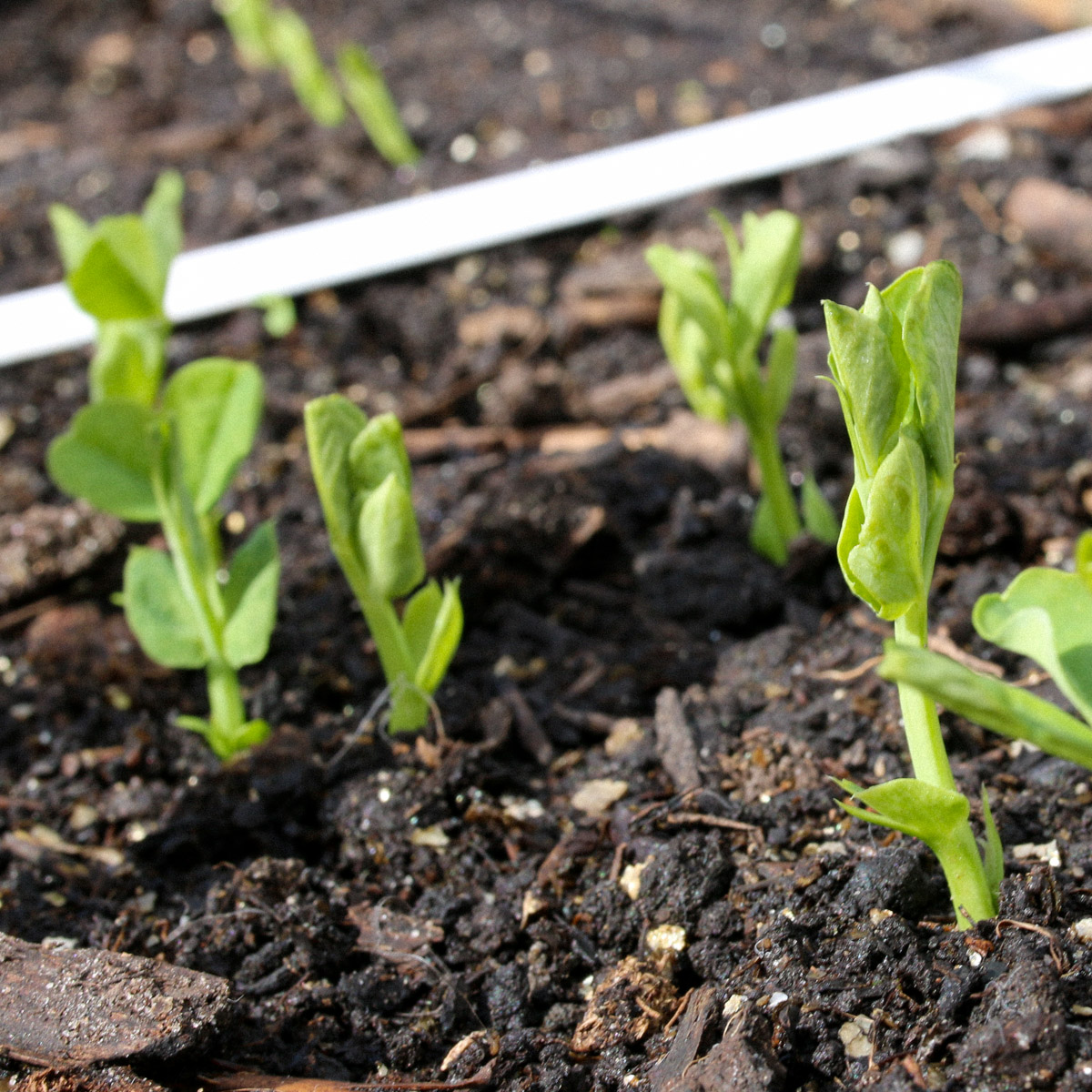
I've noticed that lettuce seeds deteriorate faster. In the first year, almost all the seeds sprout, in the second year 3/4, and after 3 years it drops to about half. That is still no problem: I just toss in some extra seeds when I'm sowing.
How long do seeds keep their original germination rate?
Search online and you'll find all sorts of conflicting information. One site says tomato seeds keep their original germination rate for no more than two years; another says they last at least six.
So there you go.
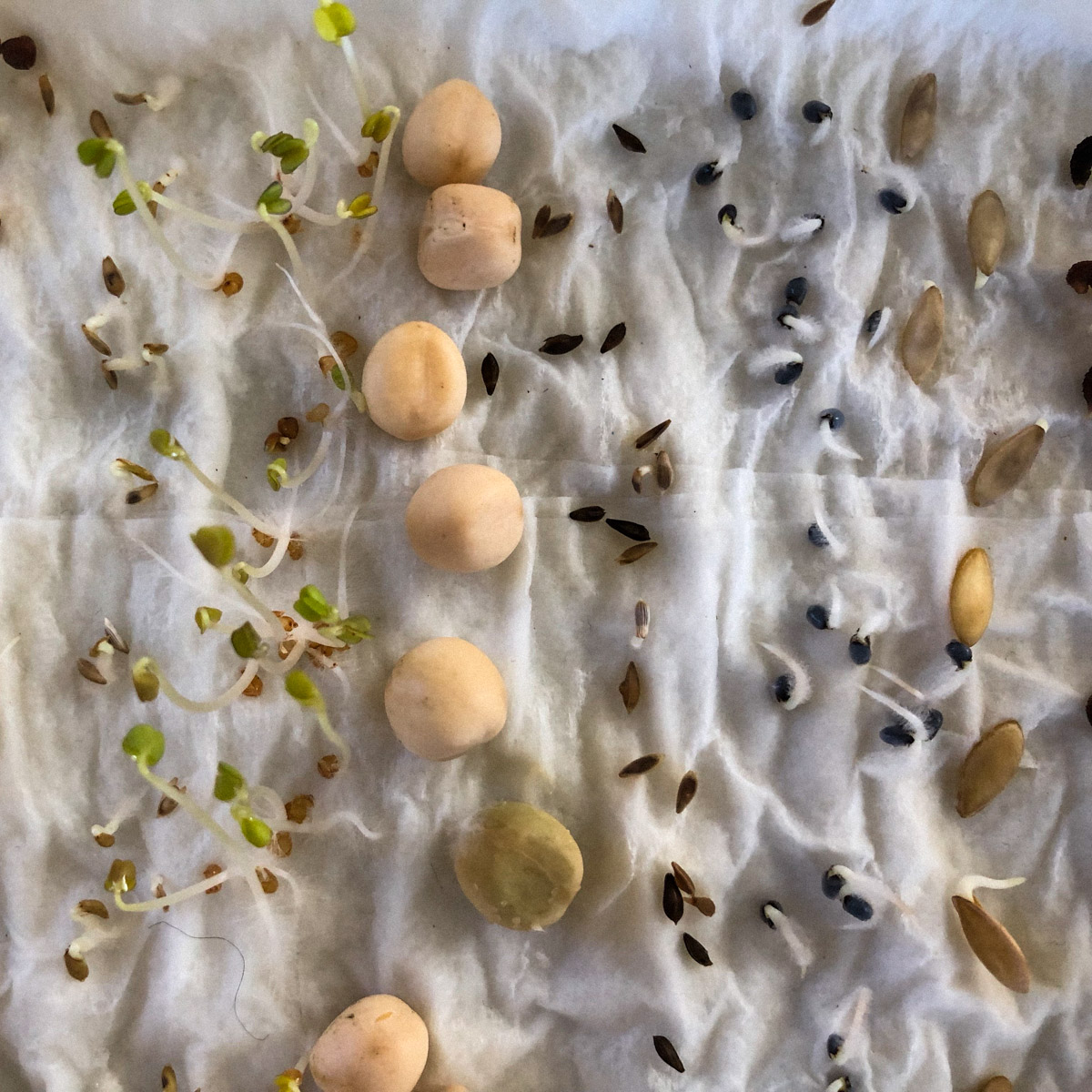
I found this list to be the most reliable guide:
- 1-2 years: spring onion
- 3-4 years: cavolo nero, peas, lettuce, New Zealand spinach, mangetout, rocket, bush beans, climbing beans, sugar snaps, carrots and tomatoes
- 5-6 years: endive, courgettes, cucumbers, radishes, beetroot, chard, spinach, winter purslane and lamb's lettuce
But again, it is only a guide. Just look at my sugar snap seeds 😉
If I buy seeds now, are they freshly packed?
Yes, they are all very fresh, unless we are selling off older stock, in which case we clearly state the expiry date.
Otherwise, the packets will almost always remain viable for two to three years, and often much longer in practice.
* Salanova packets always have a shorter expiry date. The same applies to alliums such as Chinese chives and spring onions, whose germination rate also declines more quickly.
Seed bundles may occasionally include a few packets with a slightly shorter expiry date.
Otherwise, the packets will almost always remain viable for two to three years, and often much longer in practice.
* Salanova packets always have a shorter expiry date. The same applies to alliums such as Chinese chives and spring onions, whose germination rate also declines more quickly.
Seed bundles may occasionally include a few packets with a slightly shorter expiry date.
A quick summary:
- Almost all seeds stay viable beyond the best-before date on the packet.
- Keep the packets closed, in a dark, cool place indoors, and they will keep for a long time.
- When sowing, you can put a few extra seeds in each hole.
- If you want to be sure, do a germination test.
Good luck!