
What makes a real Makkelijke Moestuin?
When do you actually have a Makkelijke Moestuin, and when don’t you? On this page I’ll give you 10 points to avoid if you want a successful vegetable garden.
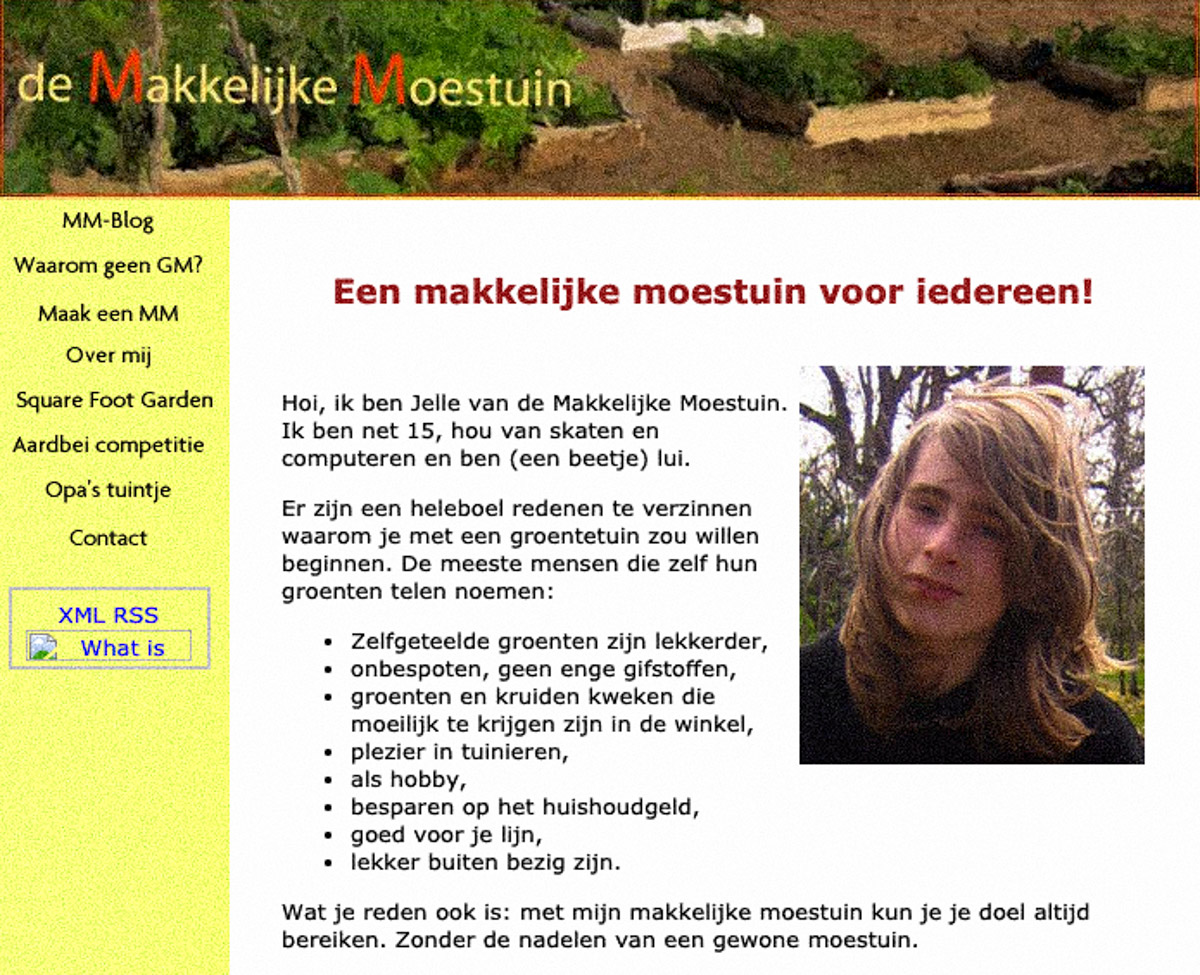
Look: when I started my site in 2008, it quickly got a lot of attention. Despite the weird banner and the ugly yellow colour. 😉
Look: when I started my site in 2008, it quickly got a lot of attention. Despite the weird banner and the ugly yellow colour. 😉
Lots of people followed my example: they made a box, chucked in some soil, and called it a Makkelijke Moestuin.
I was fine with that. Until I started getting emails from people who weren’t getting such good results at all. Much less than me.
I was fine with that. Until I started getting emails from people who weren’t getting such good results at all. Much less than me.
I couldn’t make sense of it. Why did it work for me as a 14-year-old lad but not for others?
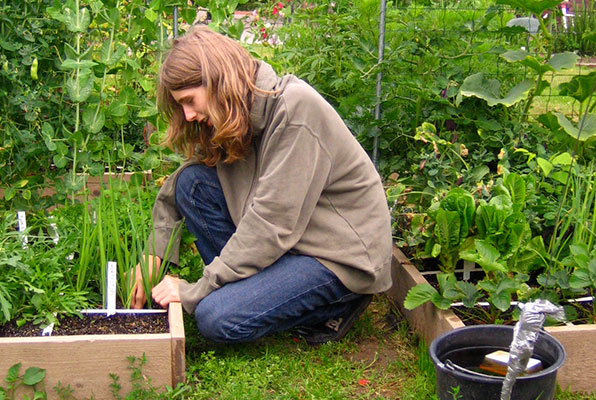
The big difference between success and no success
By now I know better. Because whenever I asked further about the cause, it was always one of these 10:
- Using something other than Makkelijke Moestuinmix or Makkelijke Moestuingrond
- Not topping up the nutrition.
- Not giving enough water (or it being too cold or too warm).
- Poor drainage.
- Sowing too close together.
- Too little sun or plants standing in each other’s shade.
- Using unsuitable vegetables or seeds.
- Harvesting too early, too late and/or too little.
- Sowing in the wrong season.
- Pests, diseases or bad weather (too cold, too warm, too wet, too dry).
Apart from point 10, you can sum them all up under one heading: not applying the Makkelijke Moestuin method 100%.
What is and isn’t a Makkelijke Moestuin?
By now I’m much stricter:
- no 30 by 30 squares?
- no clear grid?
- sowing in rows?
Then it’s not a Makkelijke Moestuin. Full stop.
Broccoli, cauliflower and aubergines - or even better: watermelon? Sorry, you can do that without me.
But the clear number one is the vegetable garden soil: a Makkelijke Moestuin always contains Makkelijke Moestuingrond or Makkelijke Moestuinmix.
Broccoli, cauliflower and aubergines - or even better: watermelon? Sorry, you can do that without me.
But the clear number one is the vegetable garden soil: a Makkelijke Moestuin always contains Makkelijke Moestuingrond or Makkelijke Moestuinmix.
Why is Makkelijke Moestuin soil so important?
I can give you loads of reasons for that: our vegetable garden soil is lovely to work with, is suitable for all your plants, and you need to water less than with ordinary soil or potting compost.
That’s all a nice bonus, but the most important thing is this:
Because you grow lots of vegetables in a Makkelijke Moestuin in a relatively small area, you must use soil that is specially made for it.
A plant uses its roots to take moisture and nutrients from the soil. If there isn’t enough food and water in it, it has to grow long roots to get enough after all. That takes a lot of energy, and because of that the plants stay small. Despite the enormous root balls.
Whether the soil provides enough air also plays a part. Plants do less well in hard, compacted soil.
Because your veg bed is only up to 20 cm deep - sometimes even a bit less - and is still packed full of vegetables, the veg bed soil really has to be top quality. Full of natural nutrients, airy and moisture-retaining, and nice to work with.
The Makkelijke Moestuingrond and Makkelijke Moestuinmix meet those requirements because they are specially made for that.
(The difference between the two is the composition. The first works just a little better when using our water reservoirs.)
The Makkelijke Moestuingrond and Makkelijke Moestuinmix meet those requirements because they are specially made for that.
(The difference between the two is the composition. The first works just a little better when using our water reservoirs.)
Large root balls aren’t needed
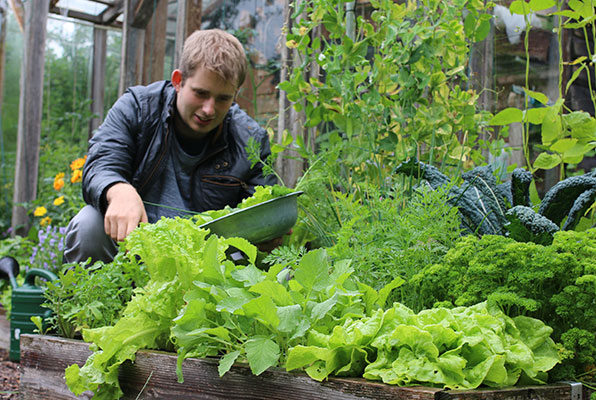
So in our vegetable gardening soil, the plants don’t need to develop huge root balls. If I pull a huge plant out of my planter, it only has a small ball of roots. That still surprises me.
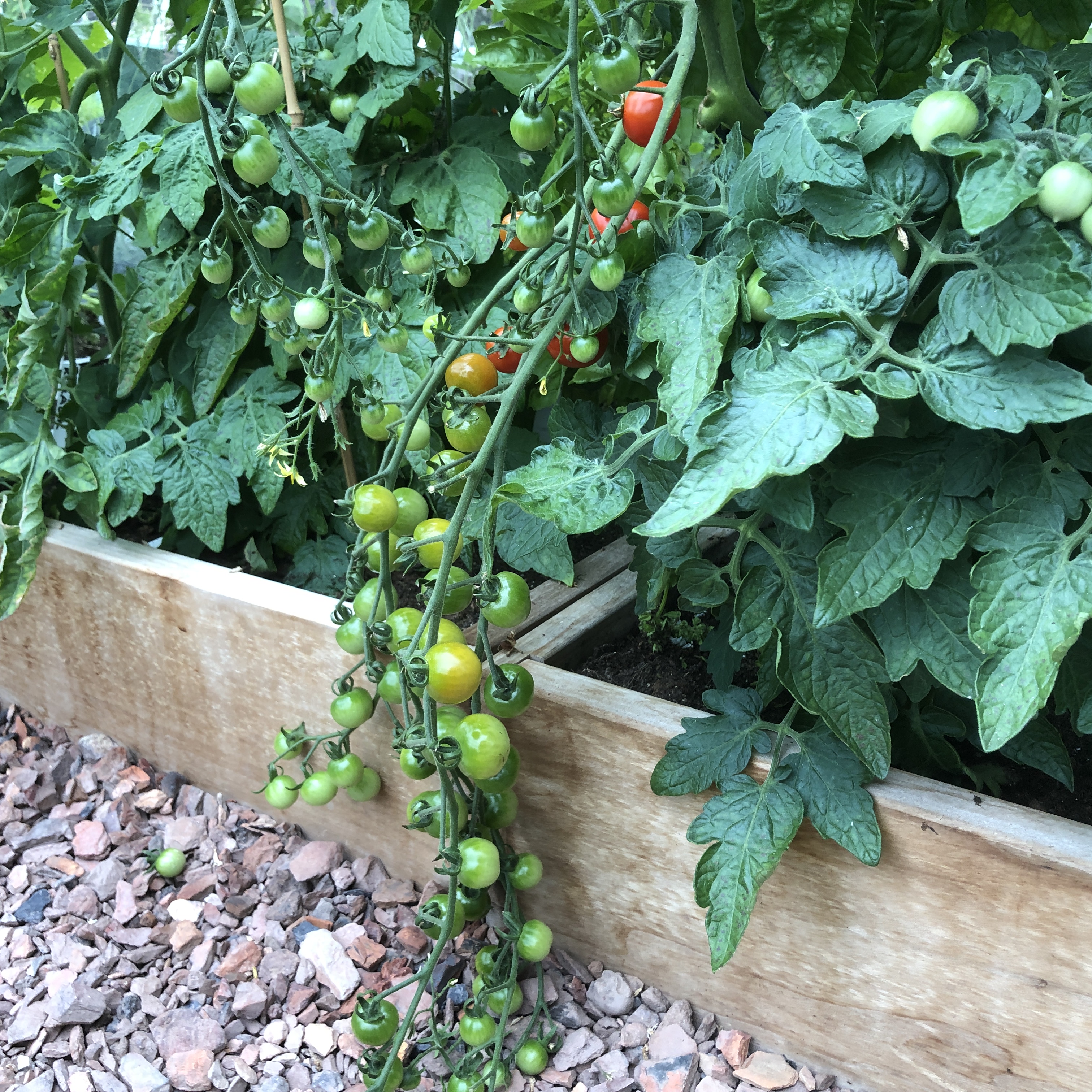
That actually makes sense. In really good vegetable garden soil, plants have everything they need right within easy reach: nutrients, moisture and air. So the roots don’t have to travel far to gather everything.
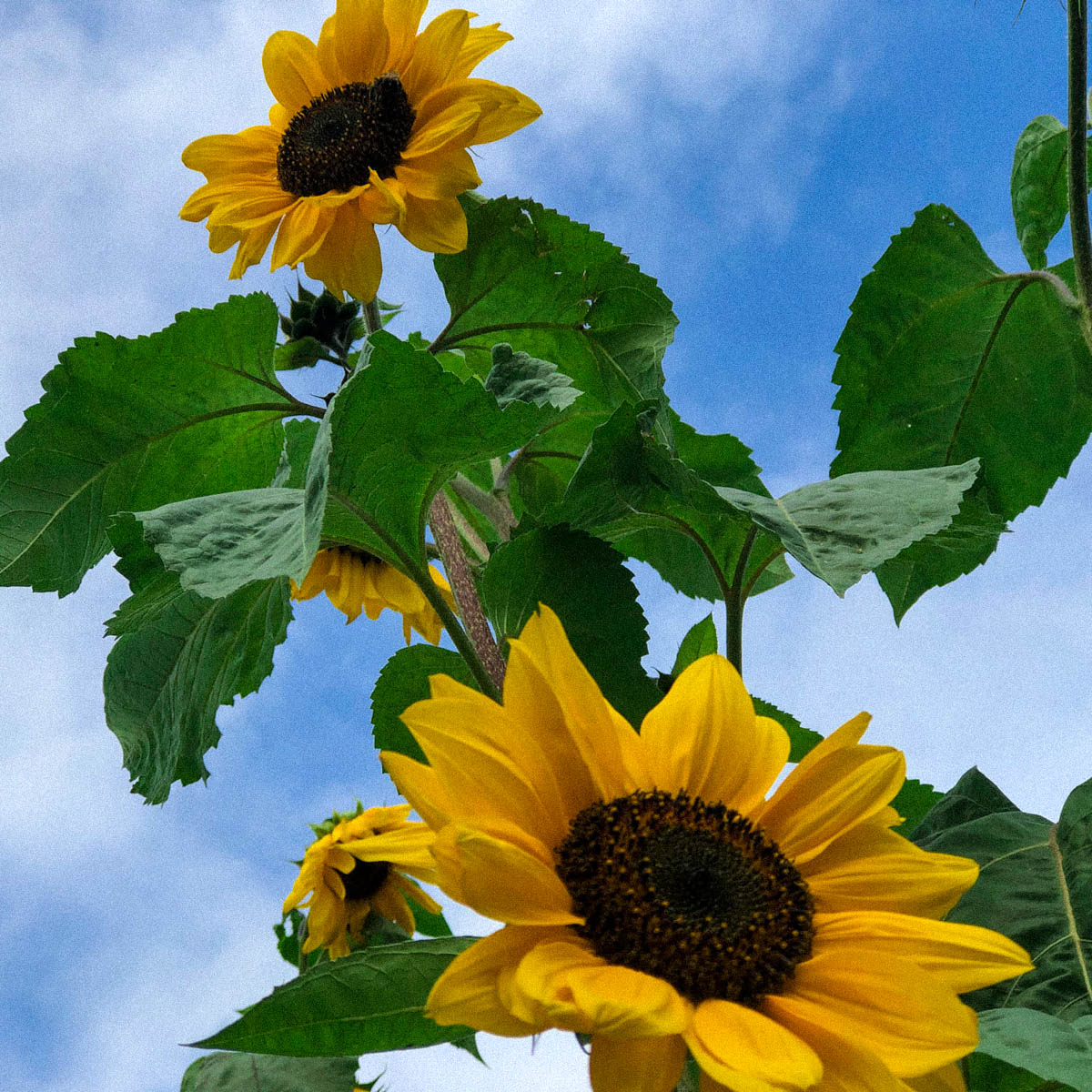
That’s why large plants such as courgettes, tomatoes and even sunflowers only need a 30 by 30 cm square, and the roots usually stay neatly within their own square.
That way you can harvest a lot from a small area, and large plants still fit in a vegetable garden square.
That way you can harvest a lot from a small area, and large plants still fit in a vegetable garden square.
Better than other vegetable garden mixes?
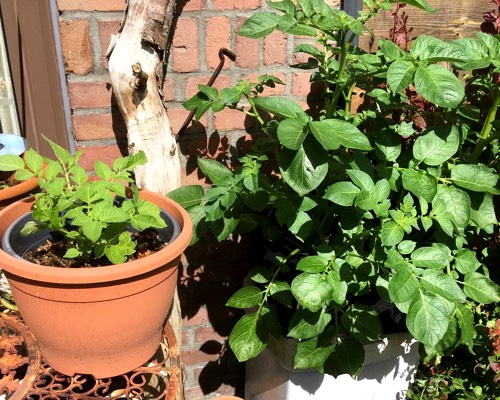
Yes. I can now say that with complete confidence. For example, Janine sent me this photo showing the difference between Deka potting compost and the MM-mix:
Pokon also has a vegetable garden mix that, at first glance, even looks a lot like ours. Price-wise too.
They’re not positive.
Cheaper than all the others
Our vegetable garden soil is not only better, but also cheaper.
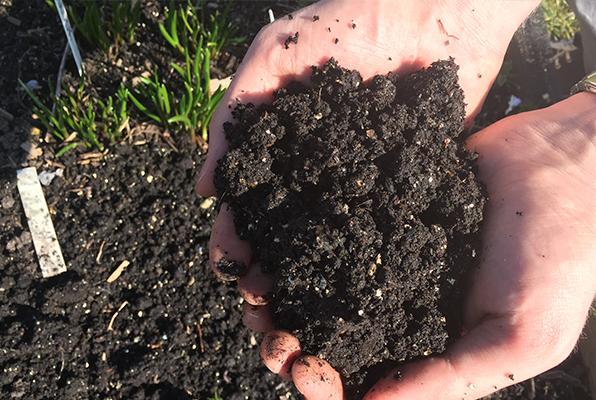
At first glance our soil may seem rather pricey. But unlike other vegetable garden mixes, you simply leave ours in your bed year after year, so it lasts a lot longer too.
The only thing you need to top up after every harvest is the plant food. If the volume drops a bit after a while, just add some new vegetable garden soil. You only need to do that at most once a year.
The only thing you need to top up after every harvest is the plant food. If the volume drops a bit after a while, just add some new vegetable garden soil. You only need to do that at most once a year.
We use the best raw materials we can get in our soil. They are better and more expensive than what other companies use.
That’s why the results are so much better and you harvest much more than from other soil. That really adds up.
That’s why the results are so much better and you harvest much more than from other soil. That really adds up.
Where does our vegetable garden soil come from?
You can do that in 2 ways:
- Pick up our vegetable garden soil from a nice MM-verkooppunt near you. Take a look at the map.
- Order from the shop and have it delivered to you.
So? What is a real Makkelijke Moestuin?
This:
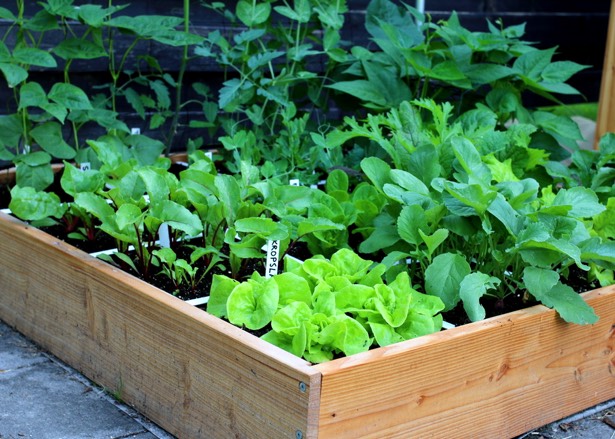
This is what you’ll need:
- A sturdy container with 30 x 30 cm compartments and a clear grid to mark out those compartments.
- Filled with Makkelijke Moestuin soil.
- Vegetables that are suitable for growing in containers with compartments.
You’ll find everything you need in the shop:
If you otherwise stick to the Makkelijke Moestuin method, it can hardly go wrong.
Especially not if you also use the MM-app.
Good luck!
Especially not if you also use the MM-app.
Good luck!