
Start indoors • Trellis
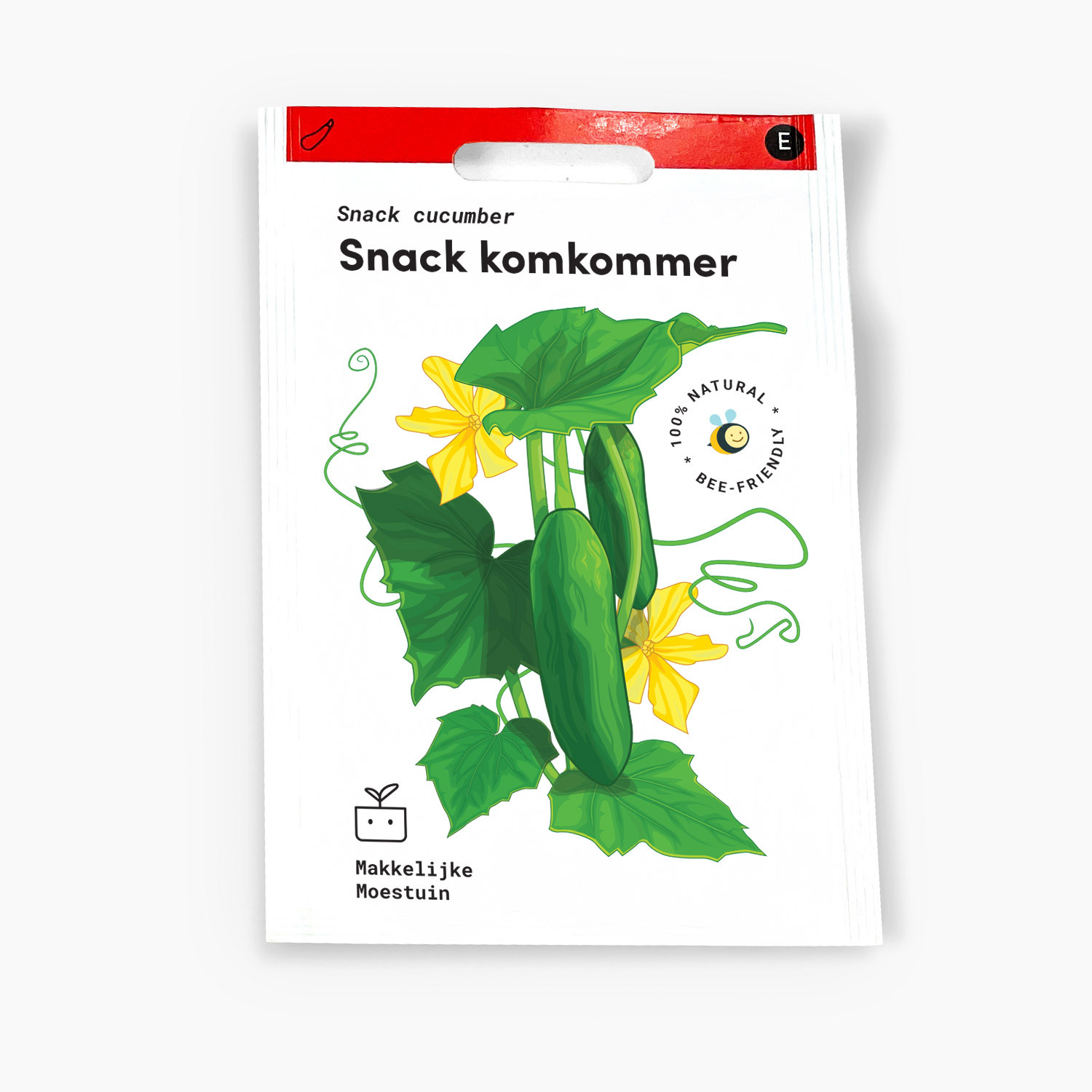
Snack cucumber
Product information

In Stock
Free delivery from € 30 🇳🇱
Choose your own delivery date
Additional

Description
Specifications
Height: 150 cm or more
Contents: 5 seeds
In the app
Sowing: 1 May - 31 July
Level 1
pre-germinating
Level 2
started indoors
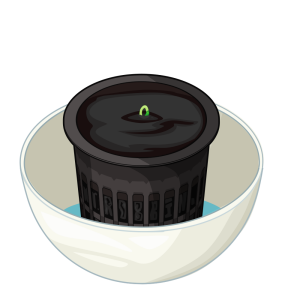
Level 3
seedling emerging
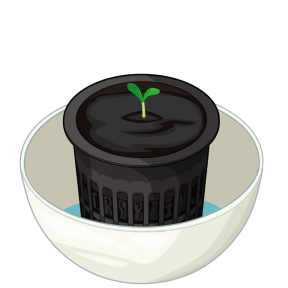
Level 4
large seedling
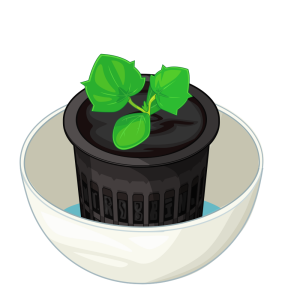
Level 5
small plant
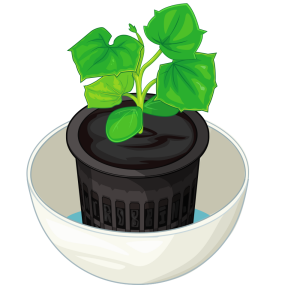
Level 6
hardening off: day 1
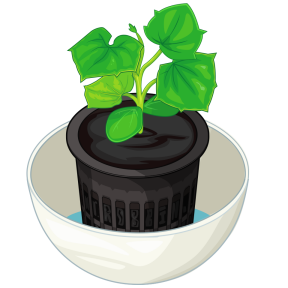
Level 7
hardening off: day 2
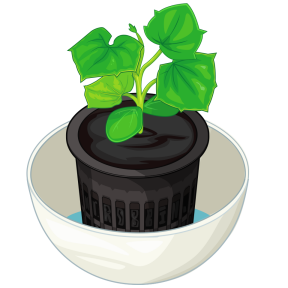
Level 8
hardening off: day 3
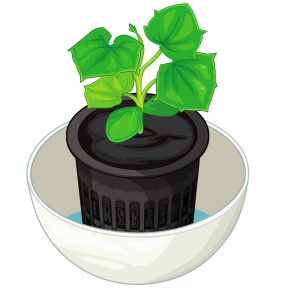
Level 9
hardening off: day 4
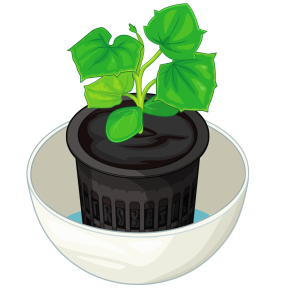
Level 10
hardening off: day 5

Level 11
planted in final position
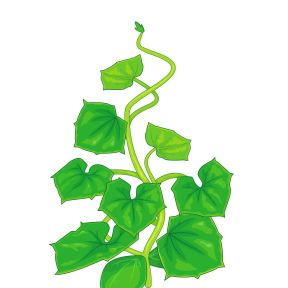
Level 12
small plant by the trellis

Level 13
about 20 cm
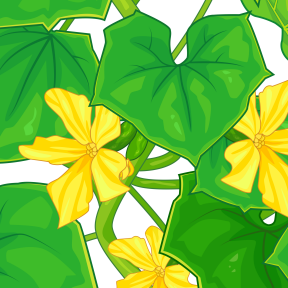
Level 14
flowers visible
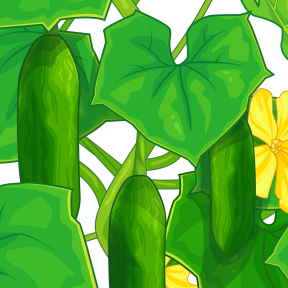
Level 15
first harvest
Level 16
harvesting continues
- Currently only shipping to the Netherlands and Belgium
- Choose your preferred delivery date
- Sent by PostNL or Transmission
- Track & Trace in your inbox
- The app helps you with almost everything you do in your vegetable garden: sowing, tending, and harvesting.
- If something goes wrong, the app tells you what steps to take.
- If that doesn’t work, you can ask us for advice.
- If that still doesn’t help, we’ll look for other solutions together. Until we get it right.
Are snack cucumbers nutritious?

More about our snack cucumber
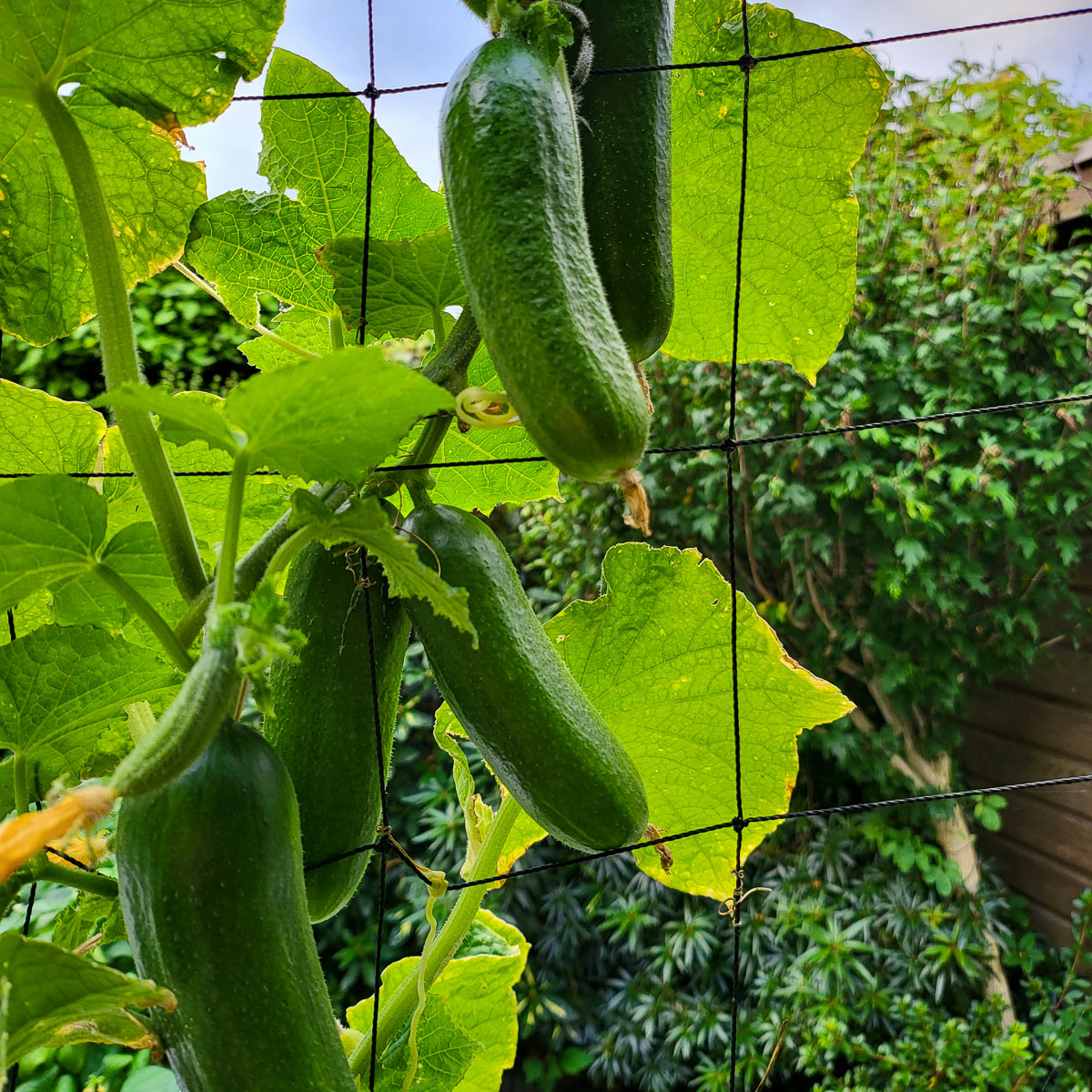
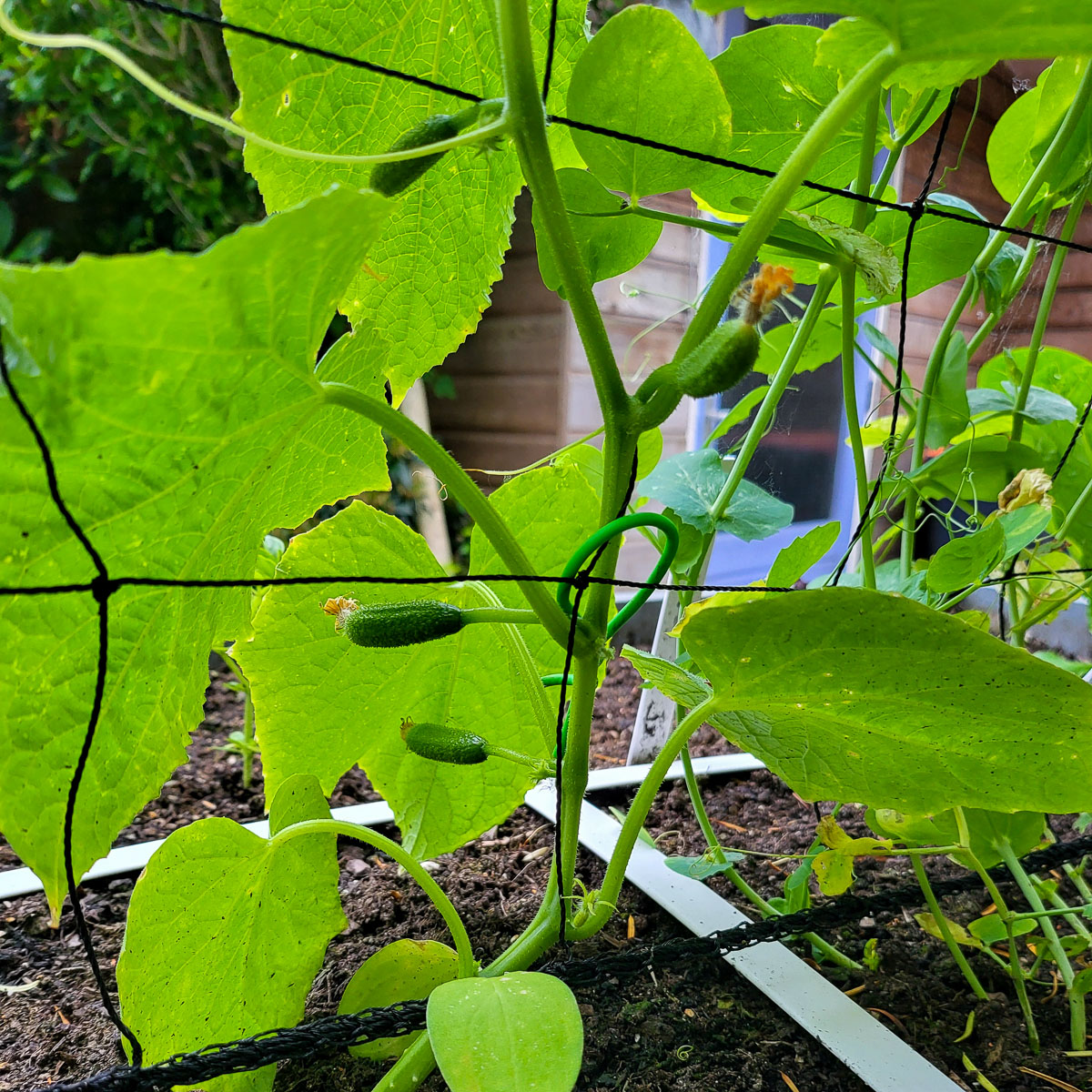
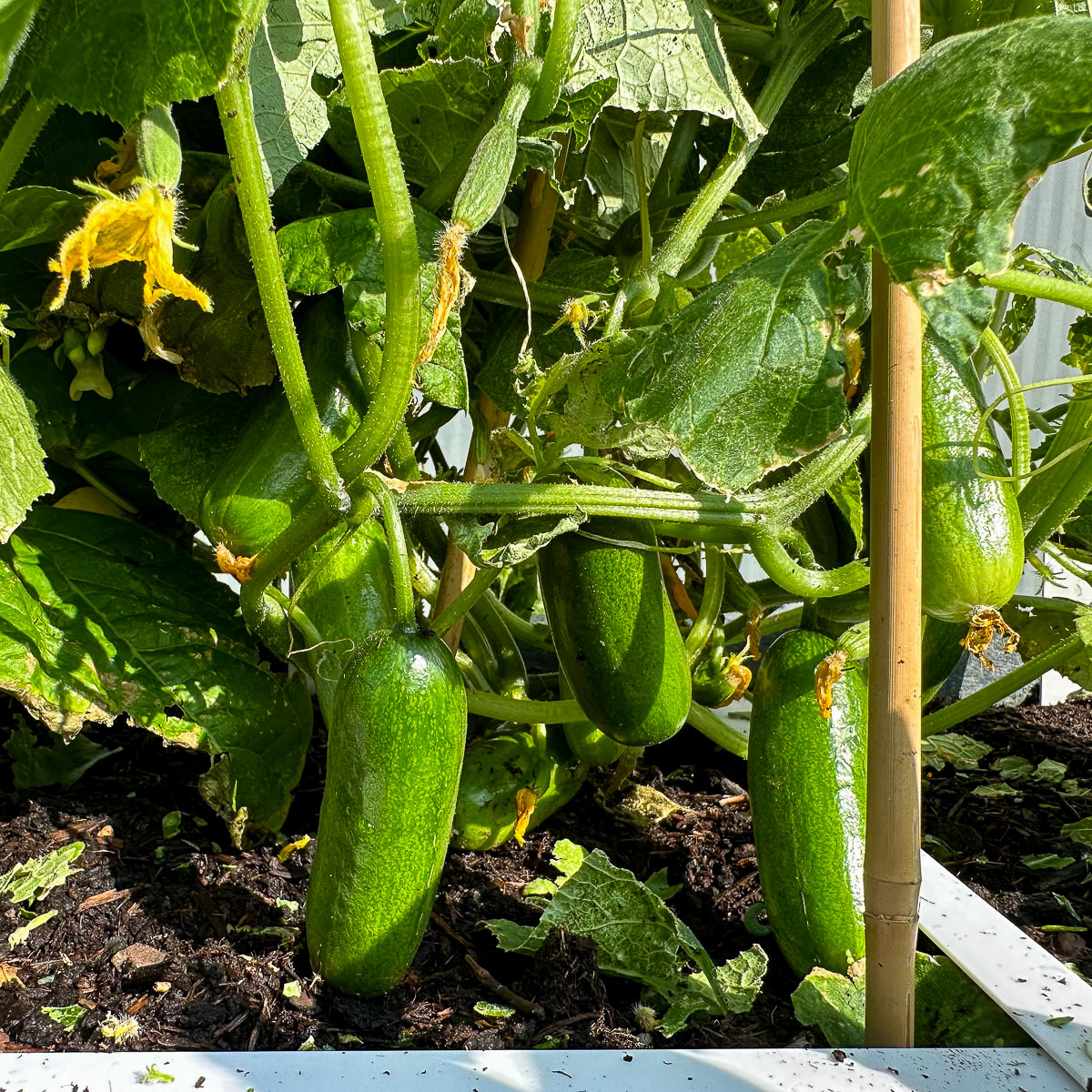
The flowers and small cucumbers grow in the leaf axils. Because the distance between leaves is shorter in this variety, and each leaf axil usually produces 2 flowers, the plant makes more fruit. It is also less sensitive to fungal diseases and other problems.
- Variety name: Snack cucumber Espanada RZ F1
- Family: fruiting vegetable
- Number per square: 1 by the trellis
- Height: up to 200 cm
- Start indoors: early May to late July
- Sowing depth: max. 1 cm (pre-germinate first)
- Germination: between 20 and 25°C in 3-6 days
- Time to harvest: from 6 weeks
- Sunlight: full sun in a sheltered spot
- Packet contents: 5 seeds for 5 squares
NOTE: cucumbers do not grow well right next to a square with spring onions, garlic or Chinese chives. Always put another vegetable between them.

What do you need to grow snack cucumber?
- MM seed-starting mix or Makkelijke Voorzaaigrond (coco coir seed-starting mix)
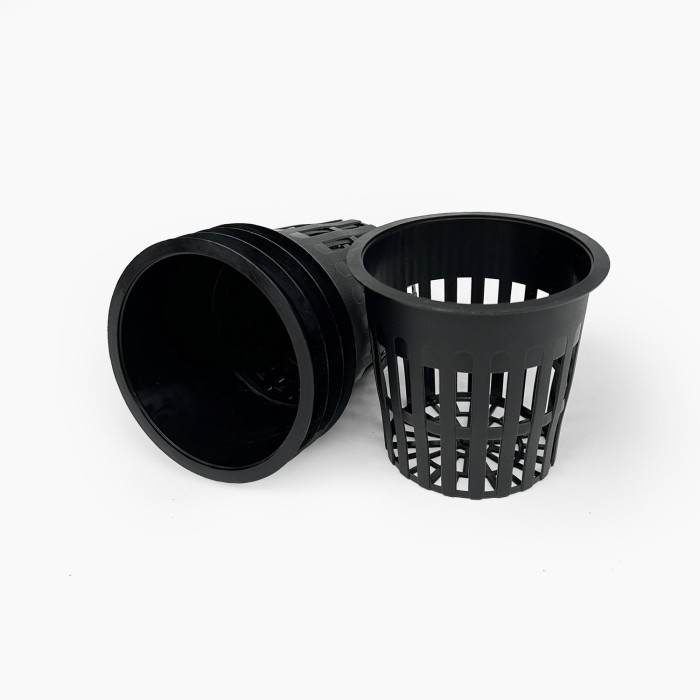
- MM-Airpots (the large size)
- clear kitchen film (not needed with coco coir seed-starting mix)
- one 30 x 30 cm square
- MM-Mix or MM coconut mix
- a spot with at least 8 hours of sunlight per day
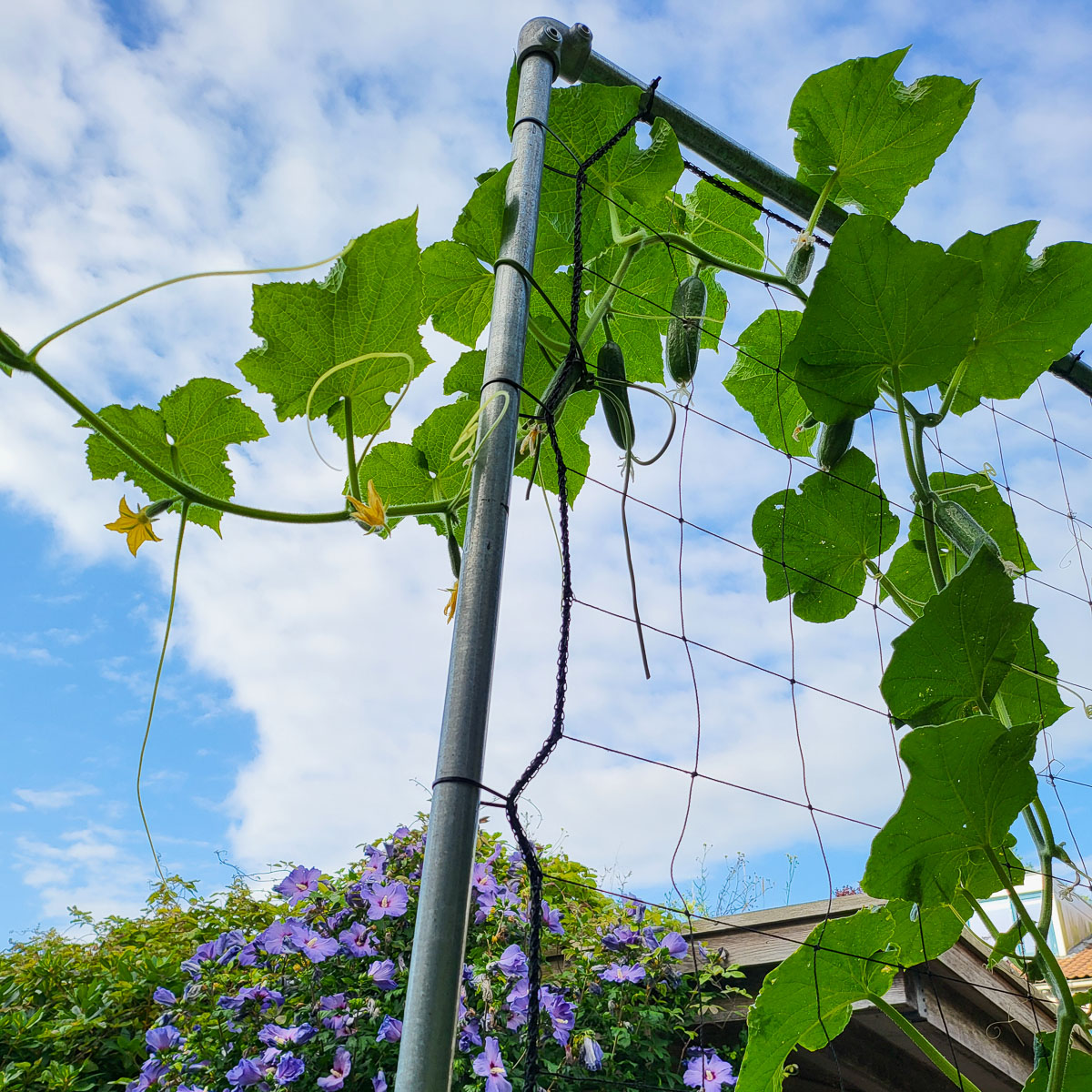
- a trellis or something similar to train the plant upwards
- MM plant food
Level 1: pre-germinating the seeds
Before sowing the seeds in a pot, let a little root appear first. This is called pre-germinating, and it lets you know for sure that the seeds have germinated properly.
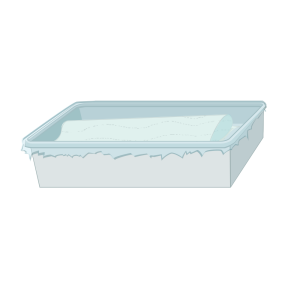
It is easy to do: fold a piece of kitchen paper or toilet paper a few times, make it damp (not wet), and put it in a small container.
Then place the seeds between the paper. To stop the paper drying out, cover the container with a lid or a piece of kitchen film.
Over the next few days, check now and then to see whether a little root has appeared. Sometimes you see it after 2-3 days; sometimes it takes a little longer.

Level 2: starting indoors
- a pre-germinated seed
- 1 MM-Airpot (large size)
- MM seed-starting mix or Makkelijke Voorzaaigrond (coco coir seed-starting mix)
- clear kitchen film (not needed with coco coir seed-starting mix)
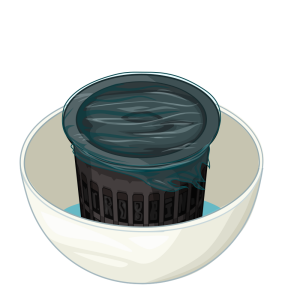
Make a hole in the mix and place the seed in it very carefully, so you do not damage the little root.

Finally, put the pot in a warm spot in the living room. Preferably not above a radiator or in full sun, because that can quickly become too warm.
Level 3: seedling
After another 5 days or so, it is time for the next level.

Levels 5-10: windowsill care and hardening off
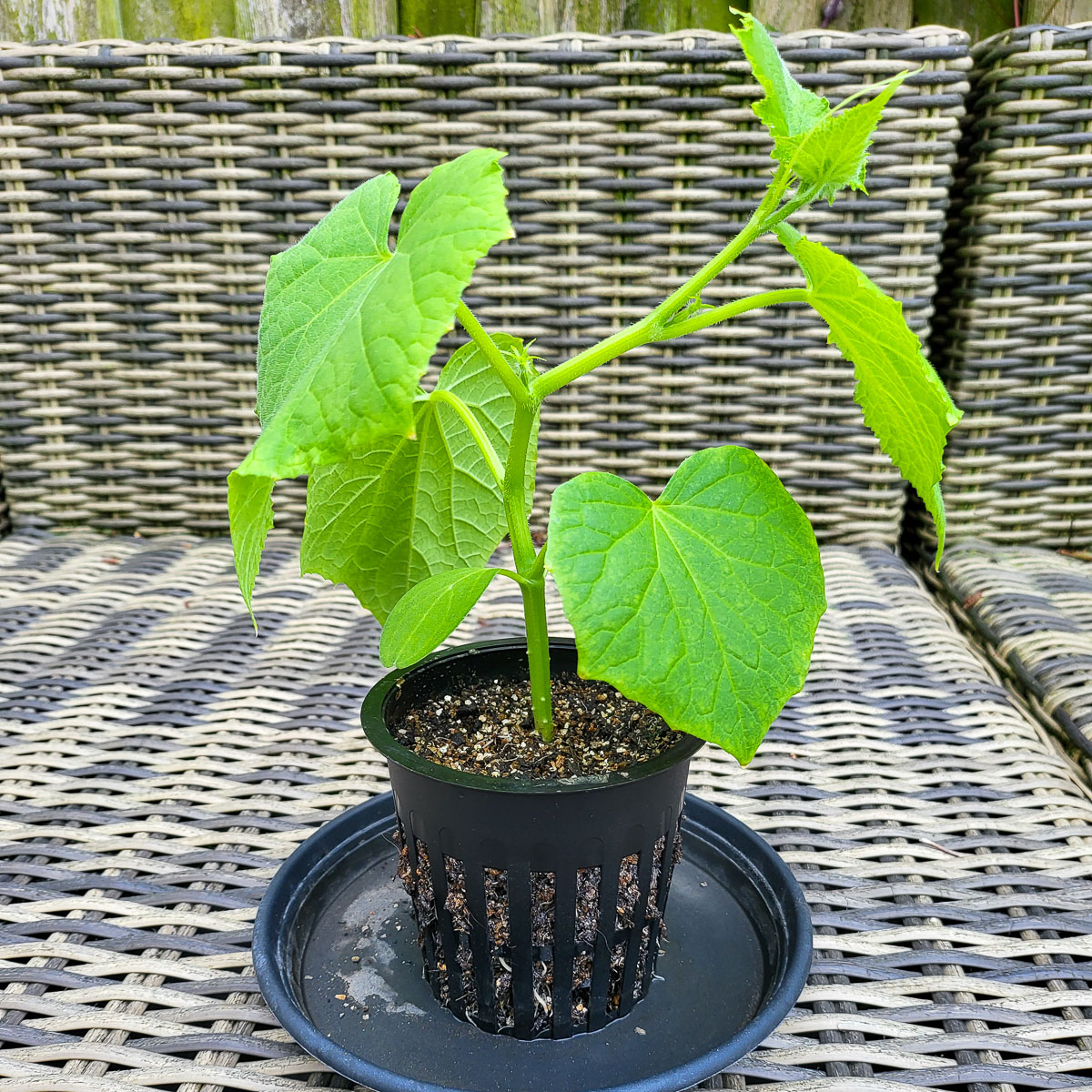
The seedling quickly grows into a real plant. To stop it growing crooked, turn the pot a quarter turn every day. It is also important to keep the mix properly moist, but not soaking wet.
After 3-4 weeks, the plant is big enough to plant outside. If it is after 15 May, and the outdoor temperature is not much lower than 15°C, let it get used to outdoor air for a few days first.

Level 11: Plant it in your raised bed
To help the plant get going, sprinkle 2 tablespoons of extra MM plant food into the planting hole before putting the plant in.

Levels 12-14: care in the garden
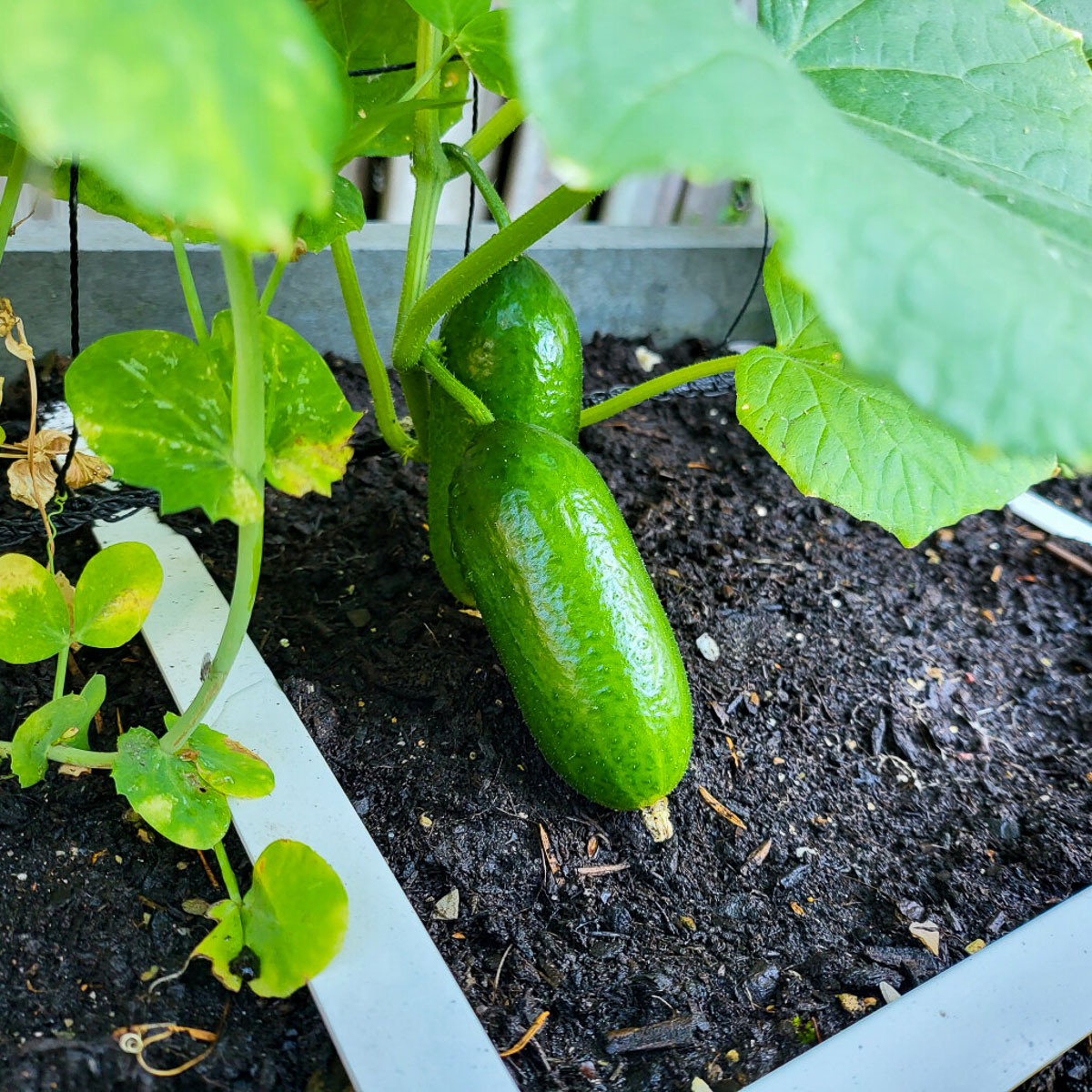
Cucumber plants flower in the leaf axils and on the side shoots. That is where the cucumbers will grow later.
Those side shoots take a lot of energy from the plant. Let the first side shoot grow into a second main stem, but cut the others back to about 10 cm, just beyond the second flower. This gives you a large harvest while helping the plant last fairly long.

Levels 15-16: harvesting
If the plant is happy, it keeps going for a long time and grows well above the trellis. To give it the best chance, sprinkle an extra scoop of plant food (30 ml, or 2 tablespoons) around the base of the plant every 5 weeks. The app will remind you.

The final levels
But because you can sow it even in July, two or three plants can give you masses of little cucumbers from late June until well into autumn.
You can keep harvesting from the last plants until it gets properly colder, around early October. Then the plants decline quickly, and it is best to remove them from your box or MM-Mini.
What can you use snack cucumbers for?
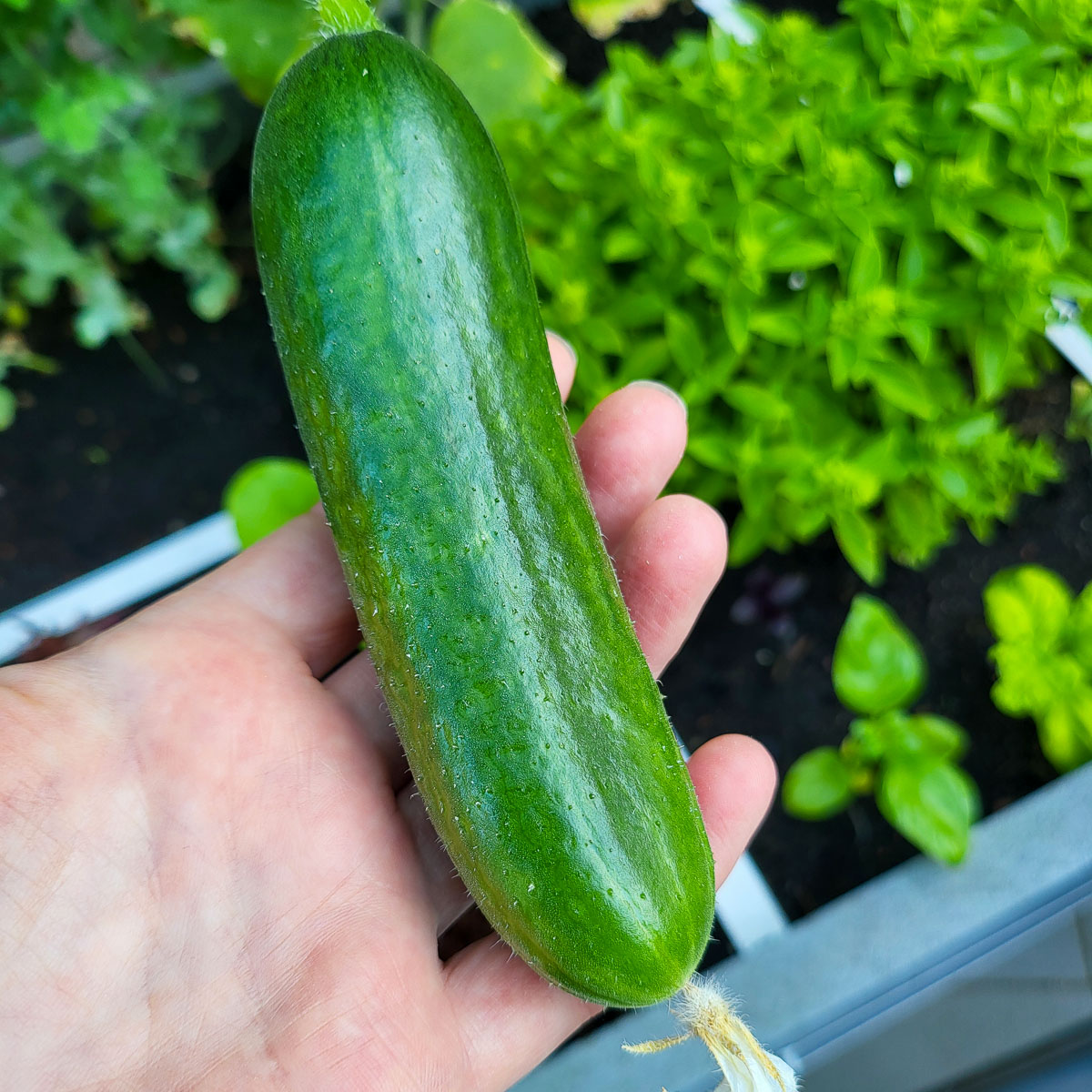
In the Netherlands, tangy cucumber salad is popular, but you can use them in many other ways too: Greek tzatziki, cucumber soup, or a mash with potatoes, cucumber, onion and minced meat.
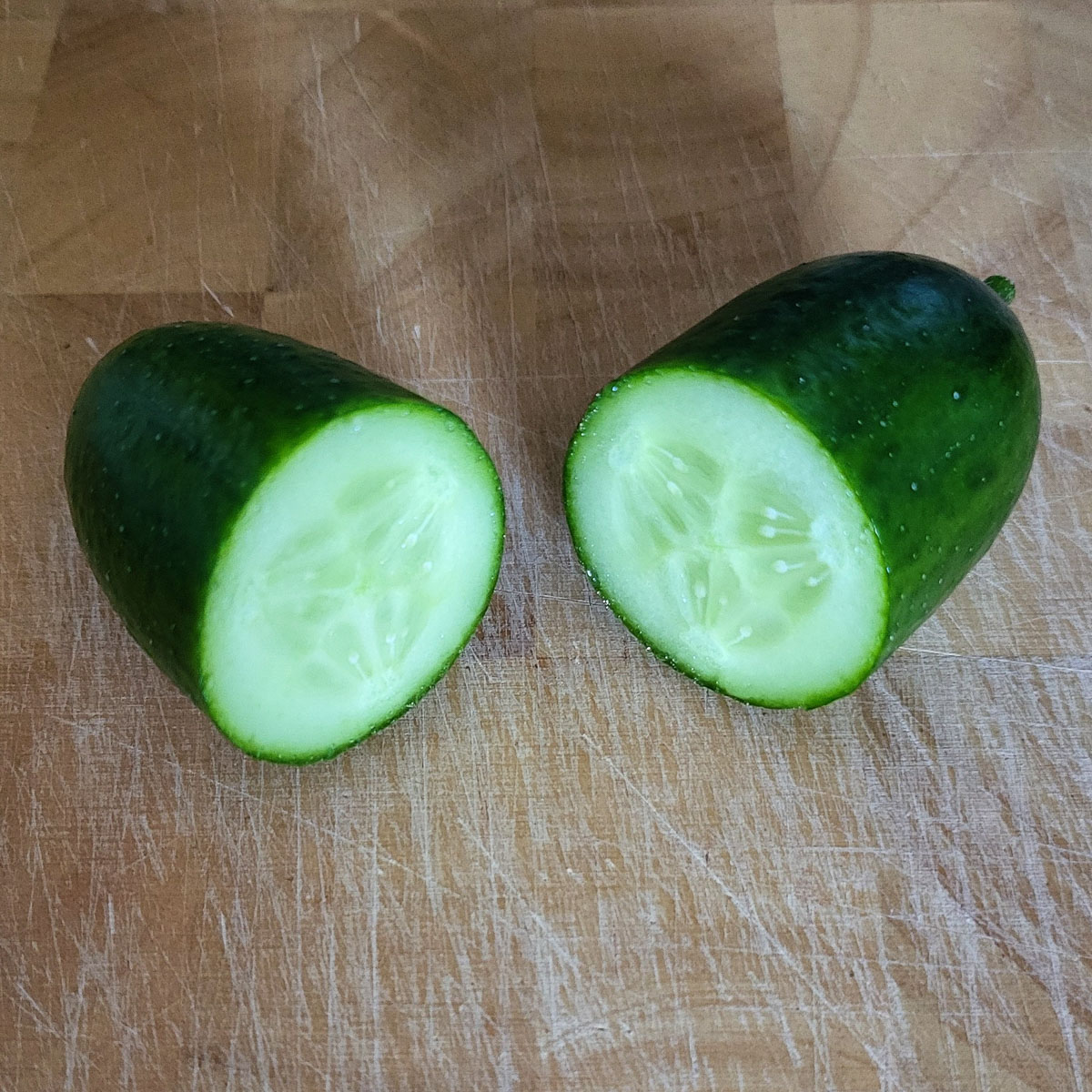
No peeling needed: the skin is quite thin, and you get more vitamins if you leave it on.

So, what is stopping you from sowing and growing snack cucumber yourself?