
Swipe
Chard
Product information

Sowing in:
J
F
M
A
M
J
J
A
S
O
N
D
€3.89
In Stock
Free delivery from € 30 🇳🇱
Choose your own delivery date
Description
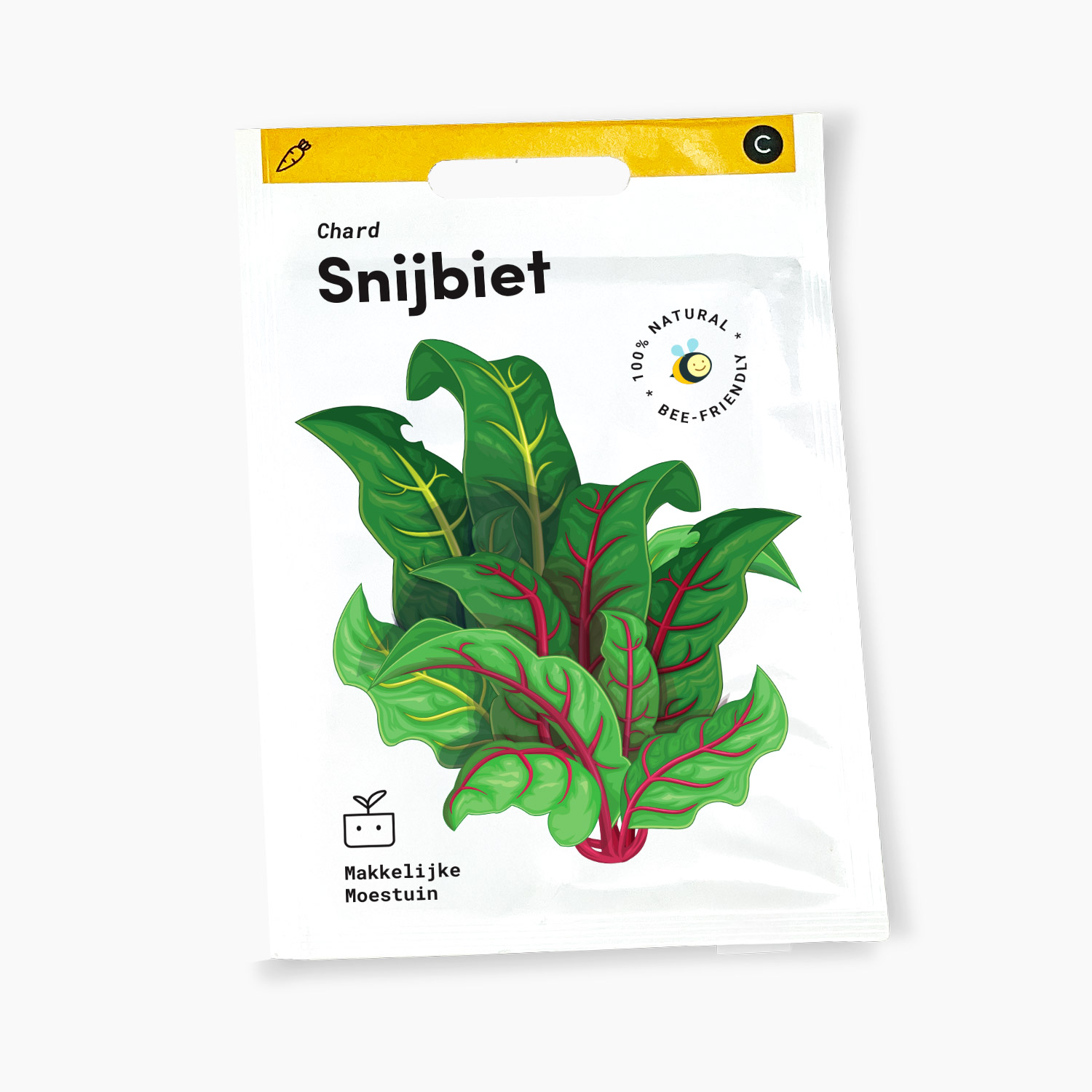
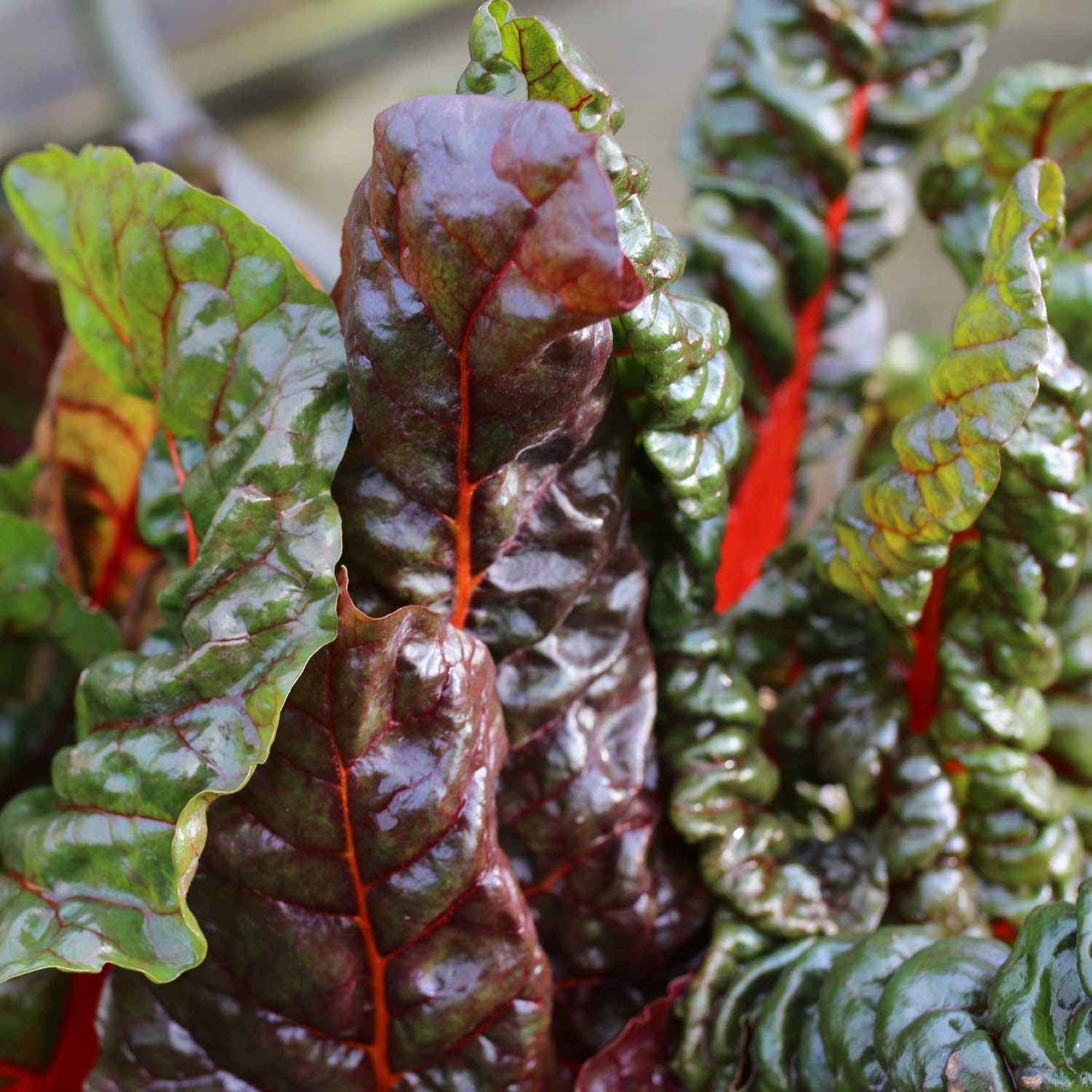
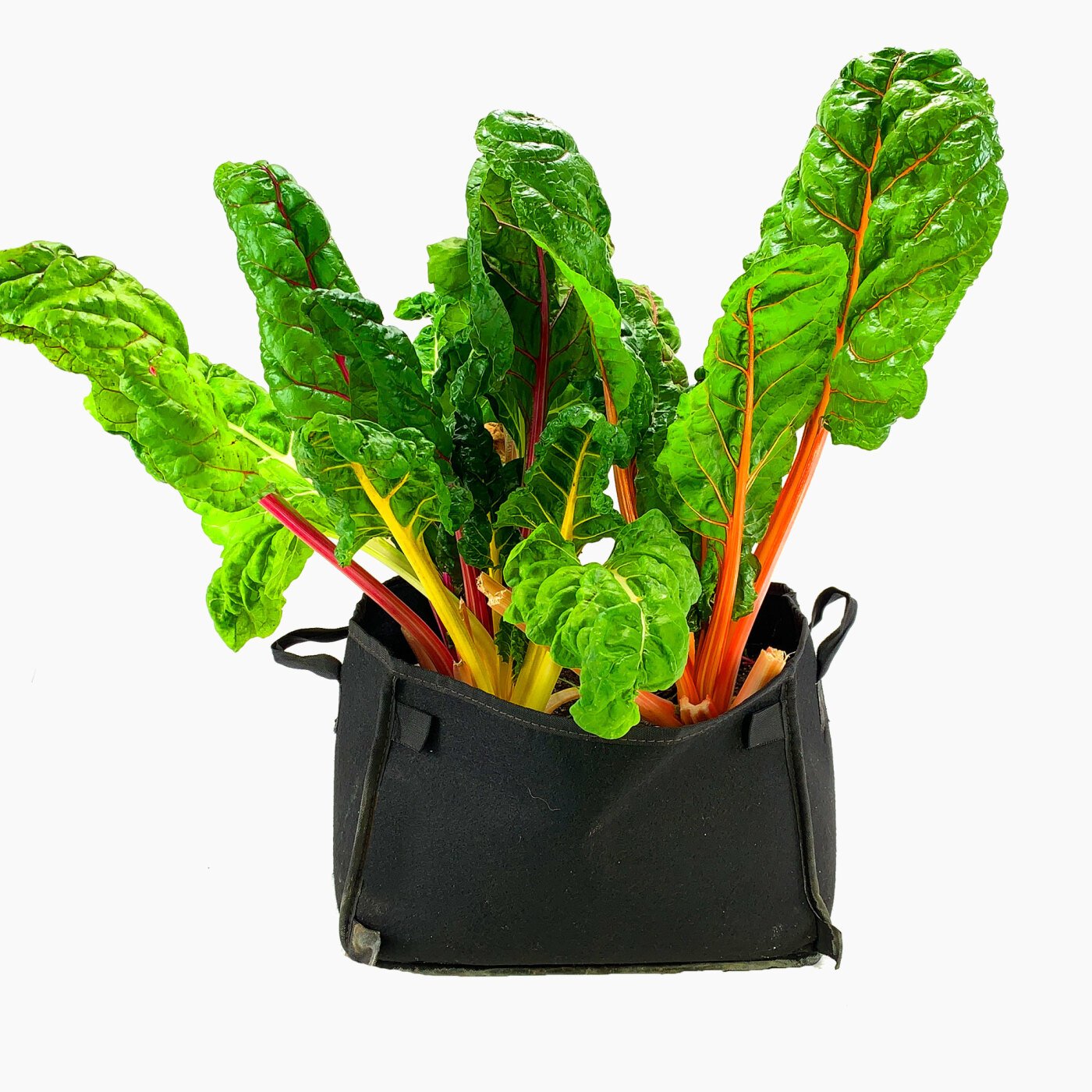
Chard is one of the easiest vegetables to grow. Ours has beautifully colored stems. It grows quickly and is naturally pest- and disease-resistant.
Specifications
Sowing time: April to Mid-August
Height: 30-50 cm
Contents: 1 gram
Height: 30-50 cm
Contents: 1 gram
In the app
Sowing: 1 April - 15 August

Level 1
seeds sown

Level 2
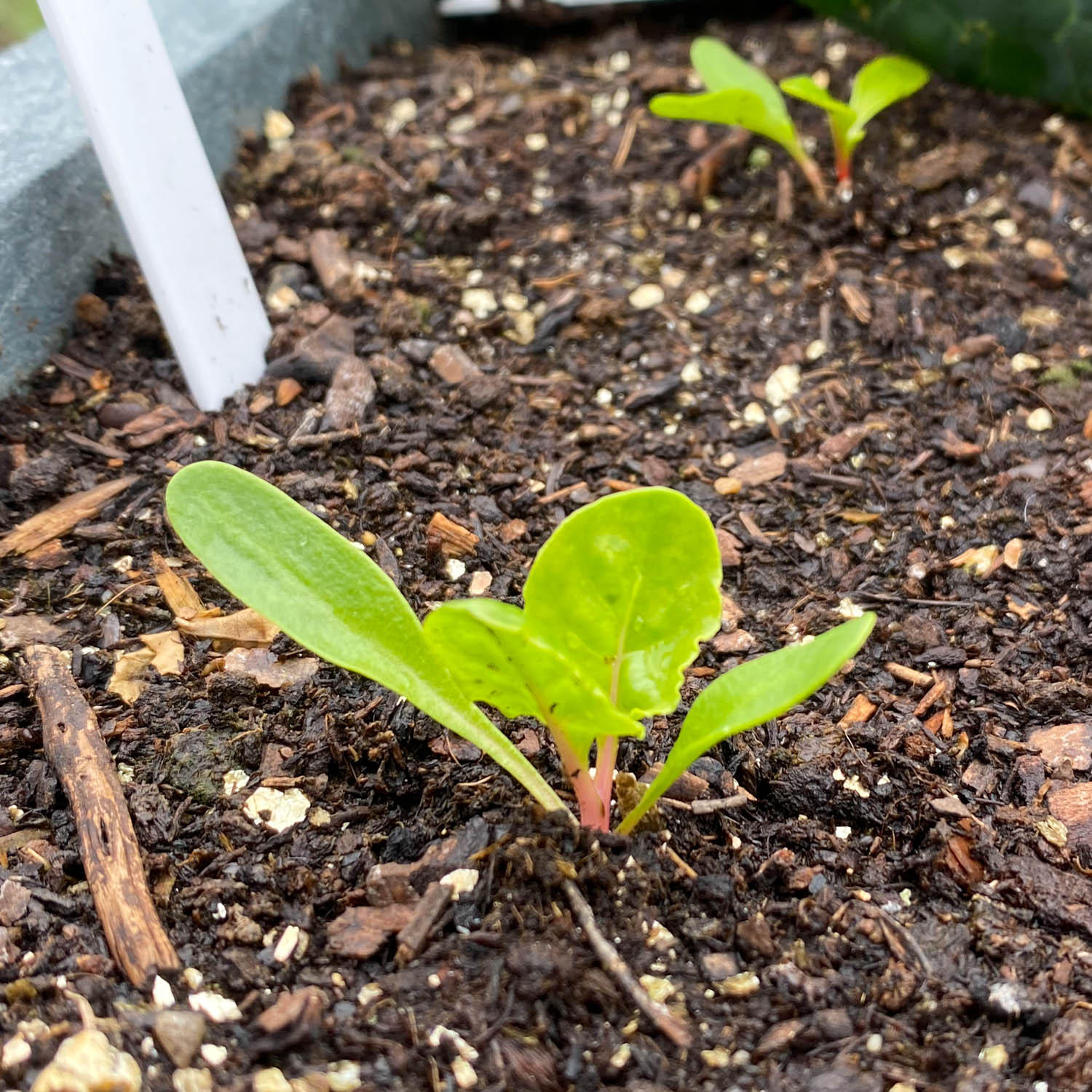
first seedlings

Level 3
thinned seedlings
Level 4
small plants

Level 5
first harvest
- Currently only shipping to the Netherlands and Belgium
- Choose your preferred delivery date
- Sent by PostNL or Transmission
- Track & Trace in your inbox
- The app helps you with almost everything you do in your vegetable garden: sowing, tending, and harvesting.
- If something goes wrong, the app tells you what steps to take.
- If that doesn’t work, you can ask us for advice.
- If that still doesn’t help, we’ll look for other solutions together. Until we get it right.
More about our chard seeds
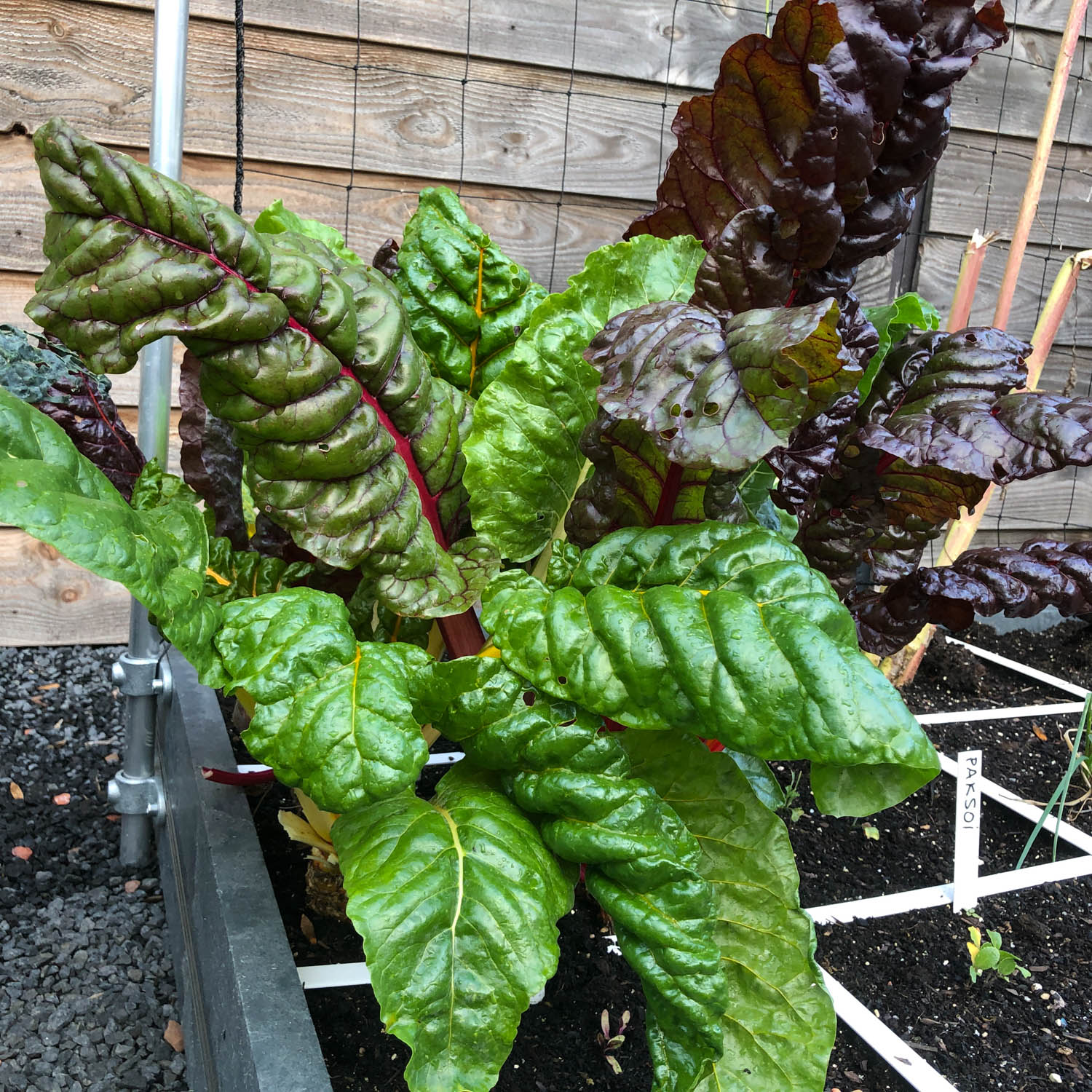
Chard germinates easily, grows quickly, and has no trouble with pests or snails. The plants get huge and you can harvest leaves pretty much all year long.
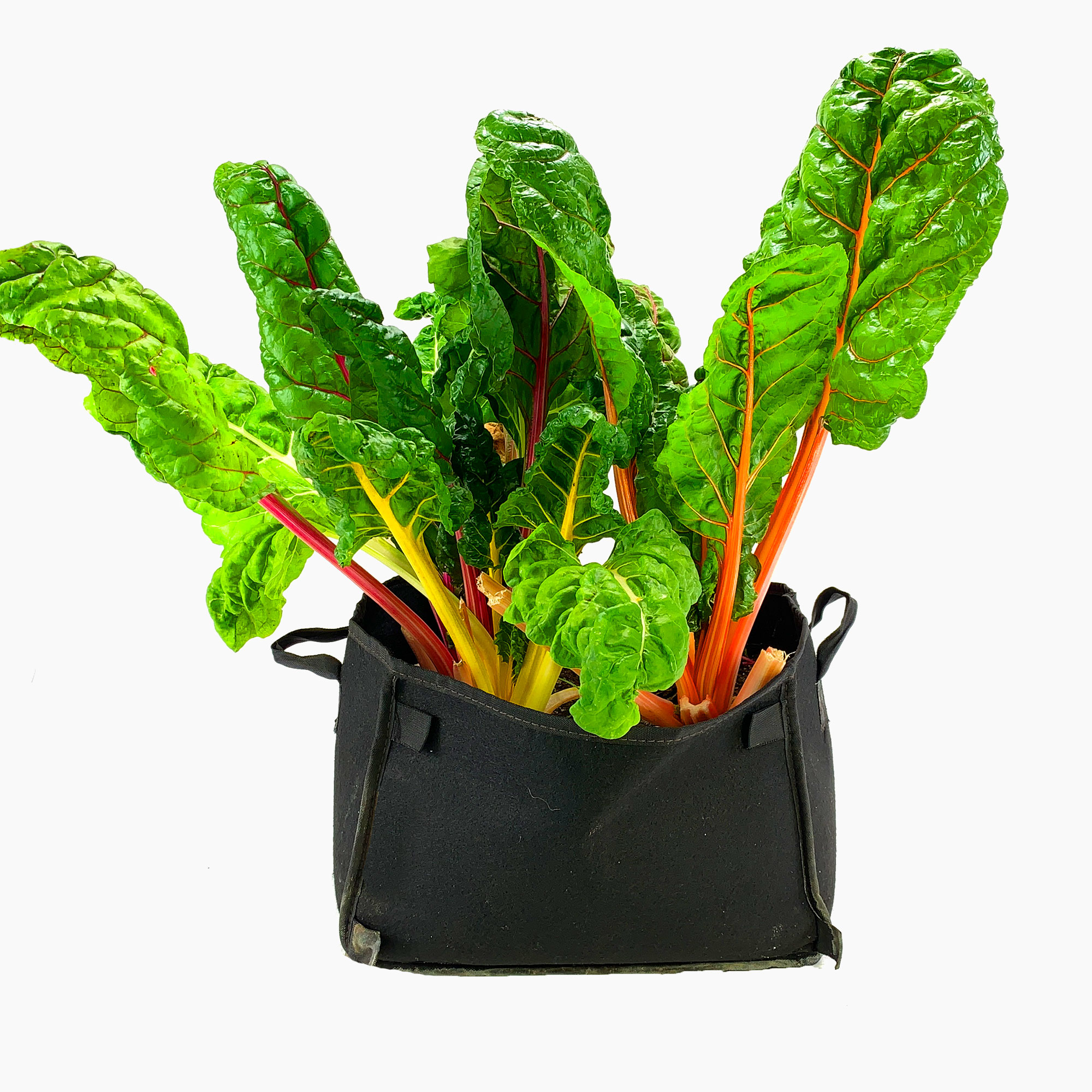
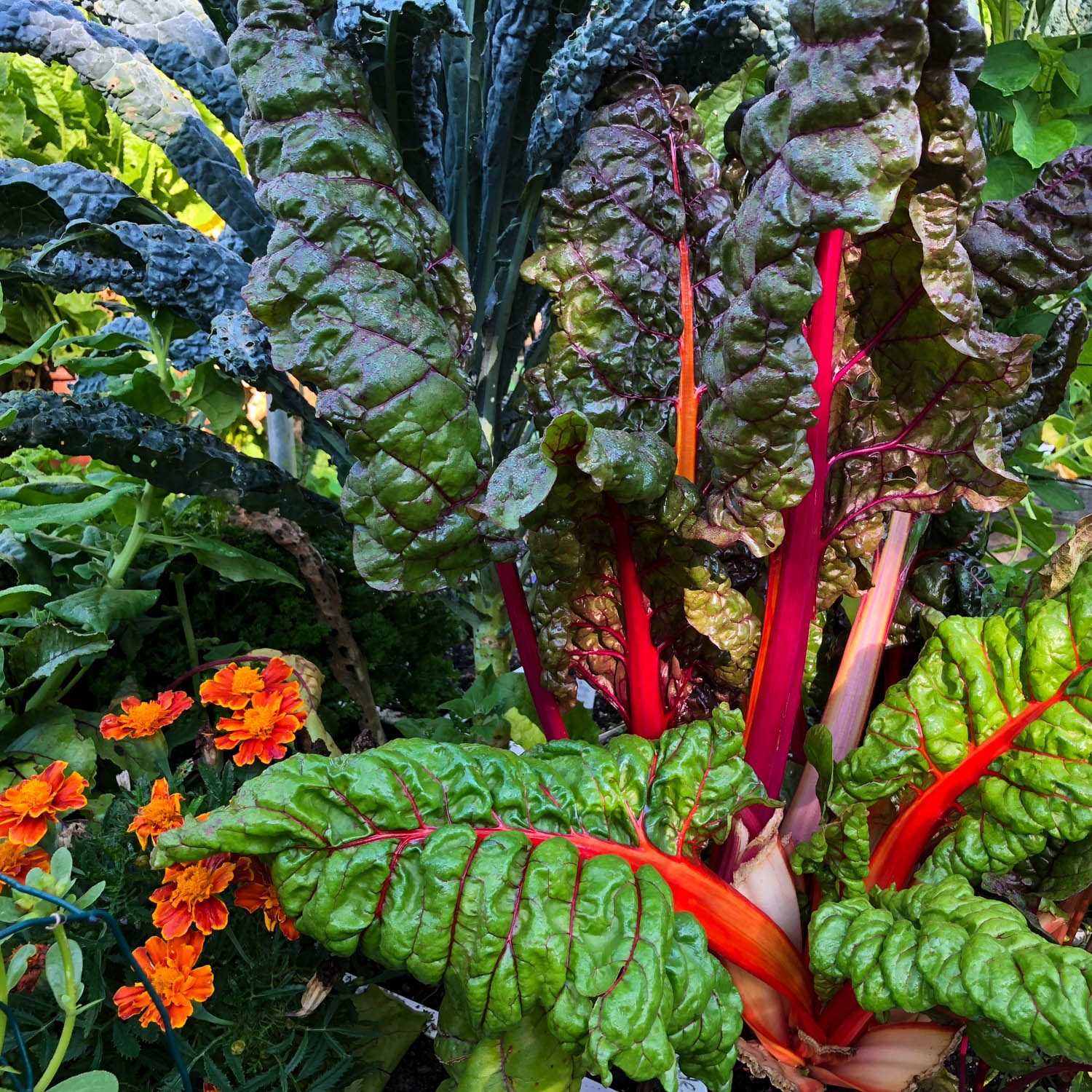
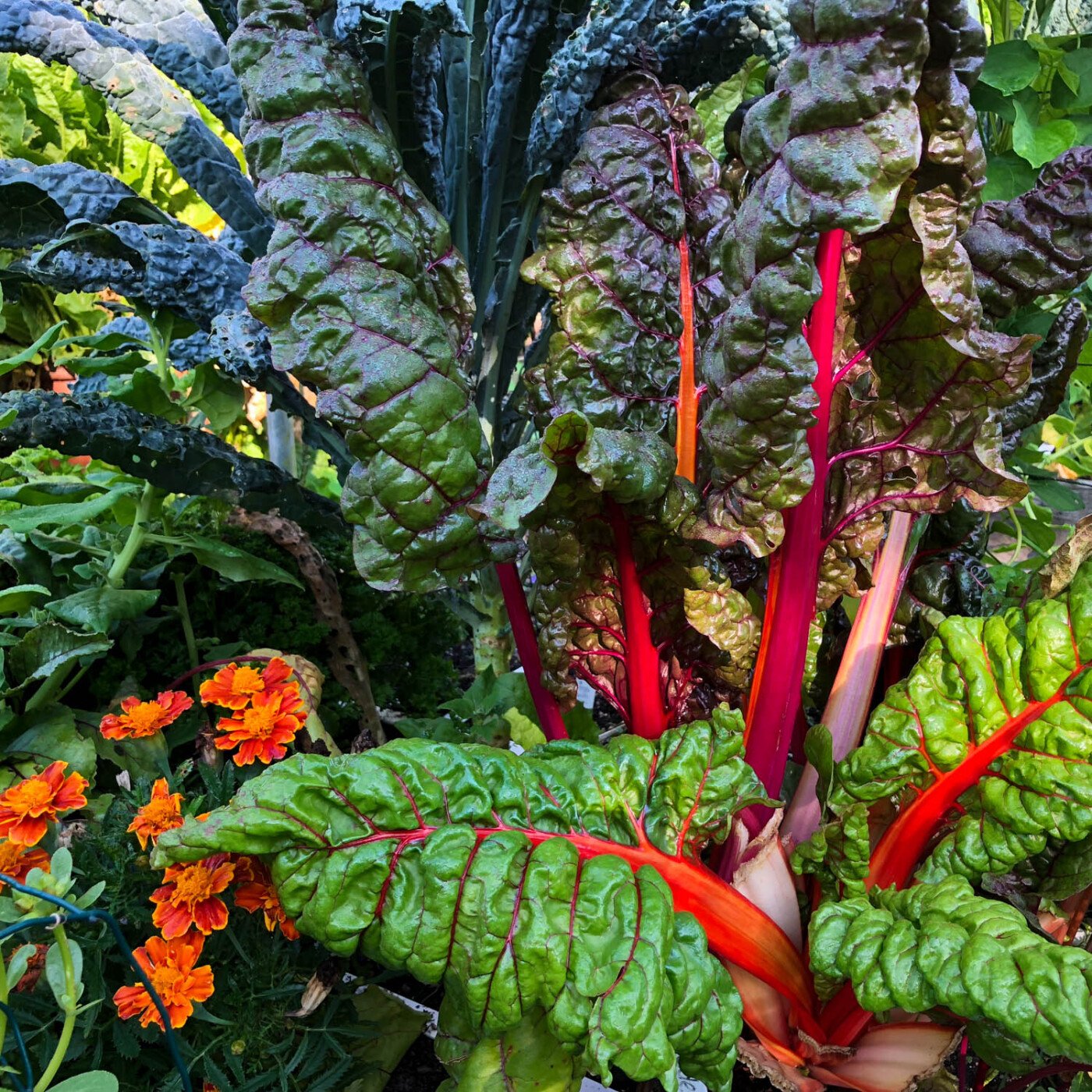
This variety has beautifully colored stems: white, yellow, and red. Delicious, nutritious, and gorgeous. Cook the leaves like spinach in a stir fry.
This variety has beautifully colored stems: white, yellow, and red. Delicious, nutritious, and gorgeous. Cook the leaves like spinach in a stir fry.
- Species name: Bright Lights
- Family: leaf
- Plants per square patch: 4
- Height: 30 to 50 cm
- Sowing time: April to mid-August
- Sowing depth: 1 - 1.5 cm
- Germination time: 12 - 18°C in 5 - 12 days
- Time to harvest: after 7 weeks
- Sunlight: can grow in both sun and shade
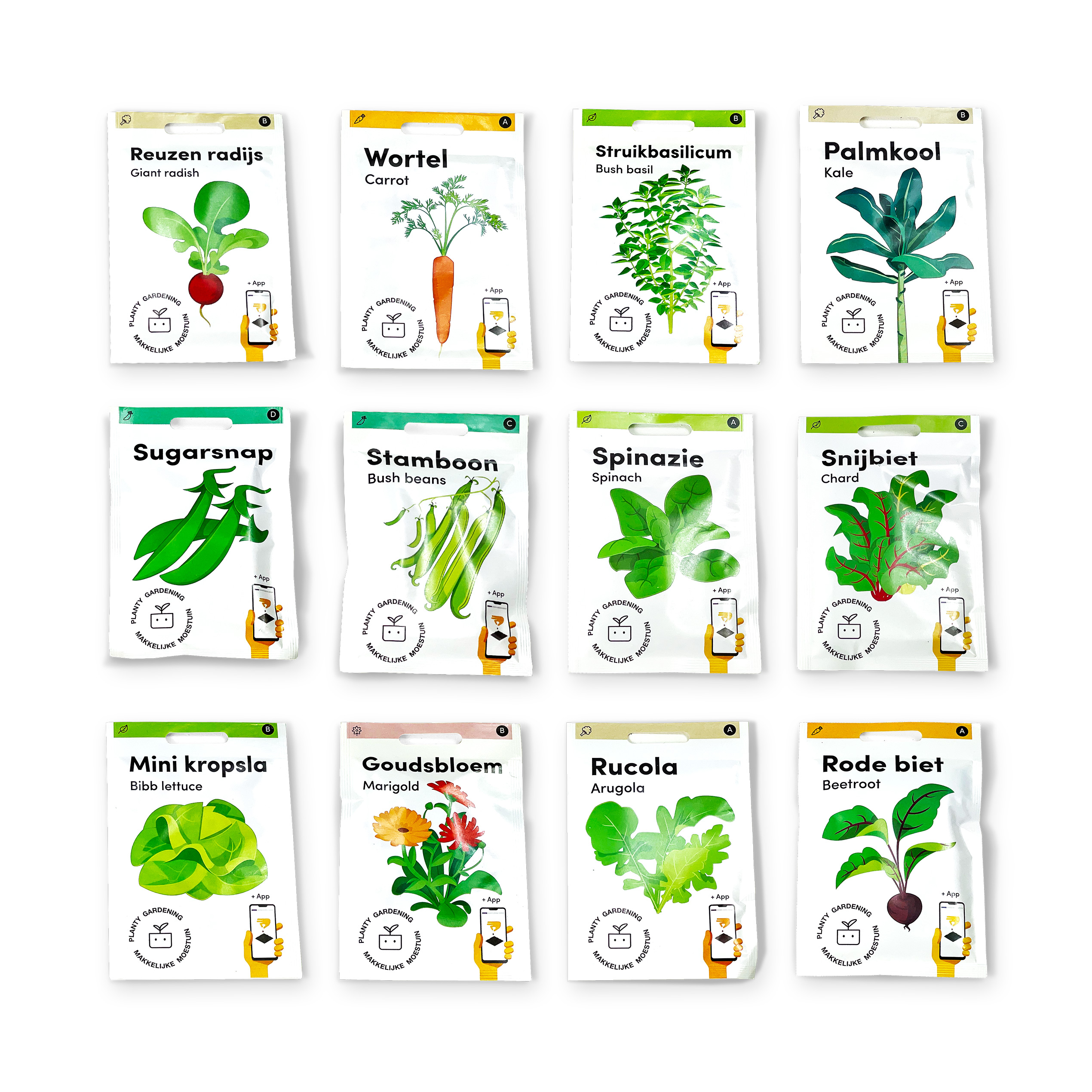
Want to buy Chard seeds? We sell seed bags separately, or, you can get them as part of a seed pack:

What do you need to grow chard yourself?
You only need a few things:
- a 30x30 cm patch with airy, rich soil mix
- chard seeds
- a place with at least 4 hours of sunlight a day
In other words: an MM-Mini, or a square patch in 1 of our garden boxes, filled with MM-Mix.
Growing your own chard is super easy with the MM-Mix. If you grow in low-quality (potting) soil, disappointment is pretty much guaranteed. So don't skimp on soil mix: go for the best.
Growing your own chard is super easy with the MM-Mix. If you grow in low-quality (potting) soil, disappointment is pretty much guaranteed. So don't skimp on soil mix: go for the best.
How to sow and grow chard?
Our chard seeds are included in the free Makkelijke Moestuin app. Use it, and you'll get step-by-step guidance from seed to harvest.
Each vegetable goes through a number of stages - we call them levels. The app tells you exactly what to do at each level and checks in when your plants are ready for the next.
So you don't need to know how to grow chard before you start: the app takes you through every step.
But if you'd like to read more about those steps, here's what the process looks like:
Each vegetable goes through a number of stages - we call them levels. The app tells you exactly what to do at each level and checks in when your plants are ready for the next.
So you don't need to know how to grow chard before you start: the app takes you through every step.
But if you'd like to read more about those steps, here's what the process looks like:
Level 1: Sowing chard
Level 1: Snijbiet zaaien
Choose a square patch at the 3rd or back row of your garden box. Loosen up the moist MM-Mix and sow like this:
- poke 4 holes in the patch (no deeper than 1 cm)
- put 2 to 3 seeds in each hole
- carefully cover up the holes with soil mix
After about 5 to 12 days, you'll see something come up. It depends a bit on the weather.
Level 2: Chard seedlings
Level 2: Snijbiet zaailingen
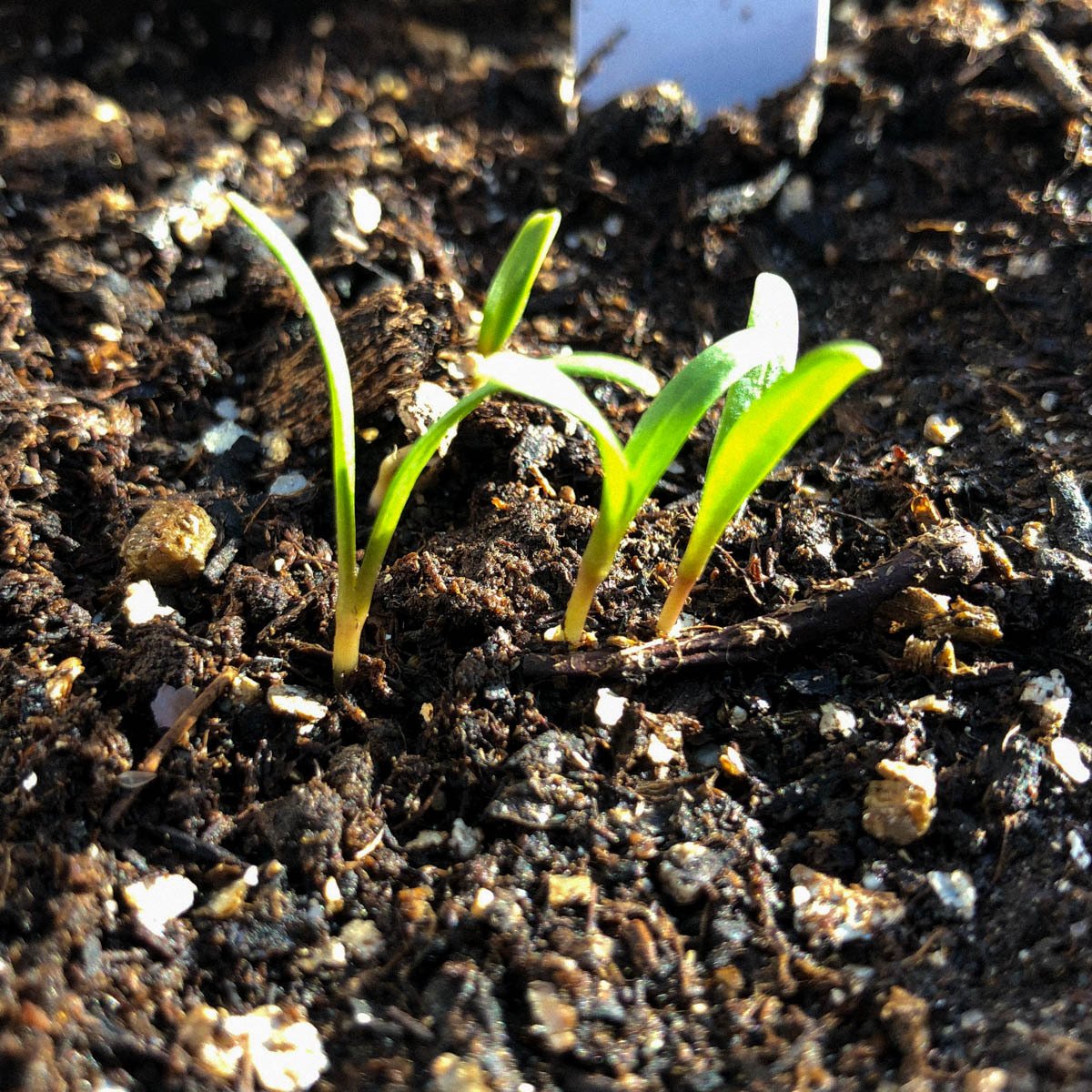
As soon as you see the first seedlings, you know things are going well. They probably won't all come up at once, but give it another week.
Then it's time for the next level.
Then it's time for the next level.
Level 3: Thinning out chard seedlings
Level 3: Snijbiet zaailingen uitdunnen
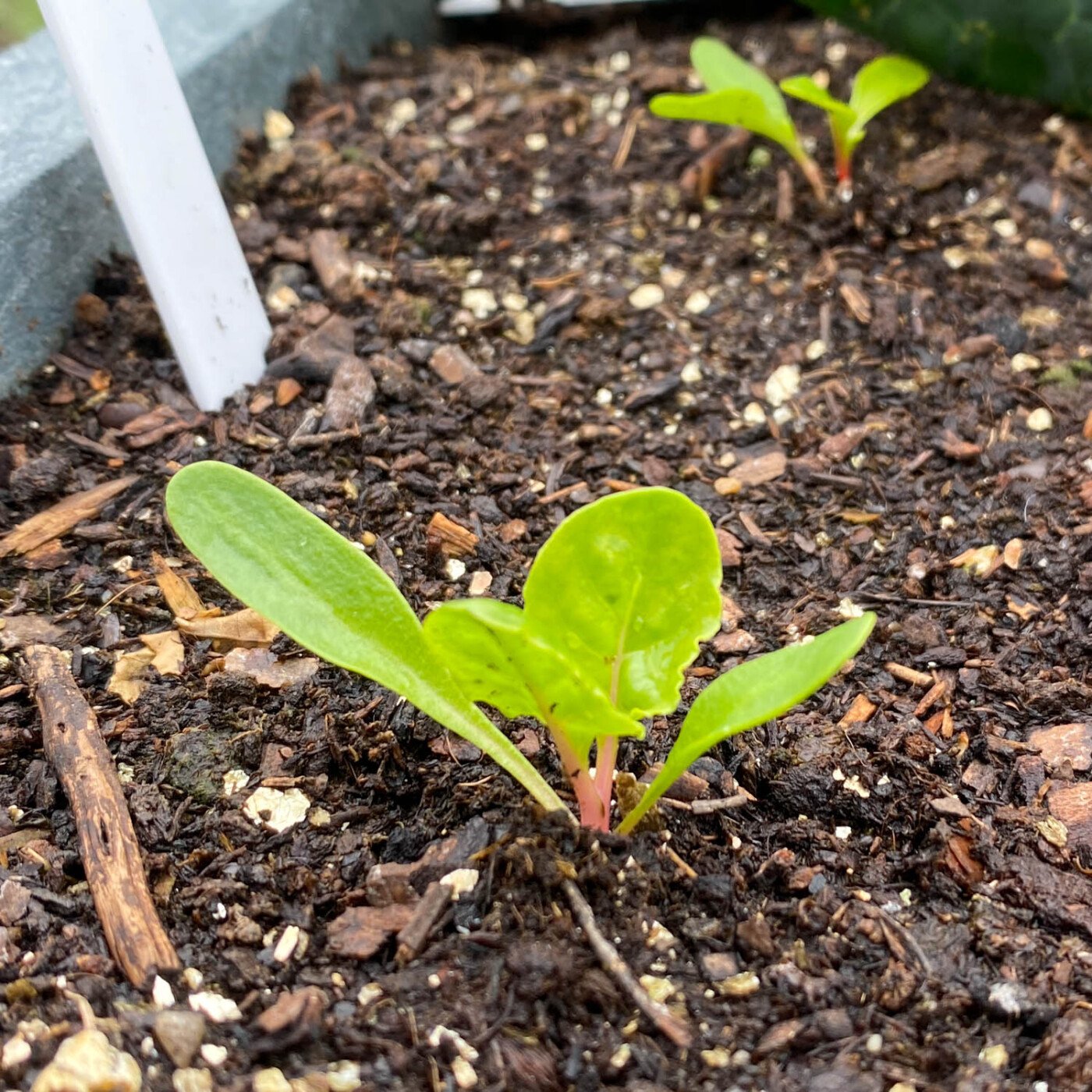
Several seedlings come up in each spot that you sowed? Choose the best ones and remove the rest: that's called thinning out. It might sound harsh, but it's necessary.
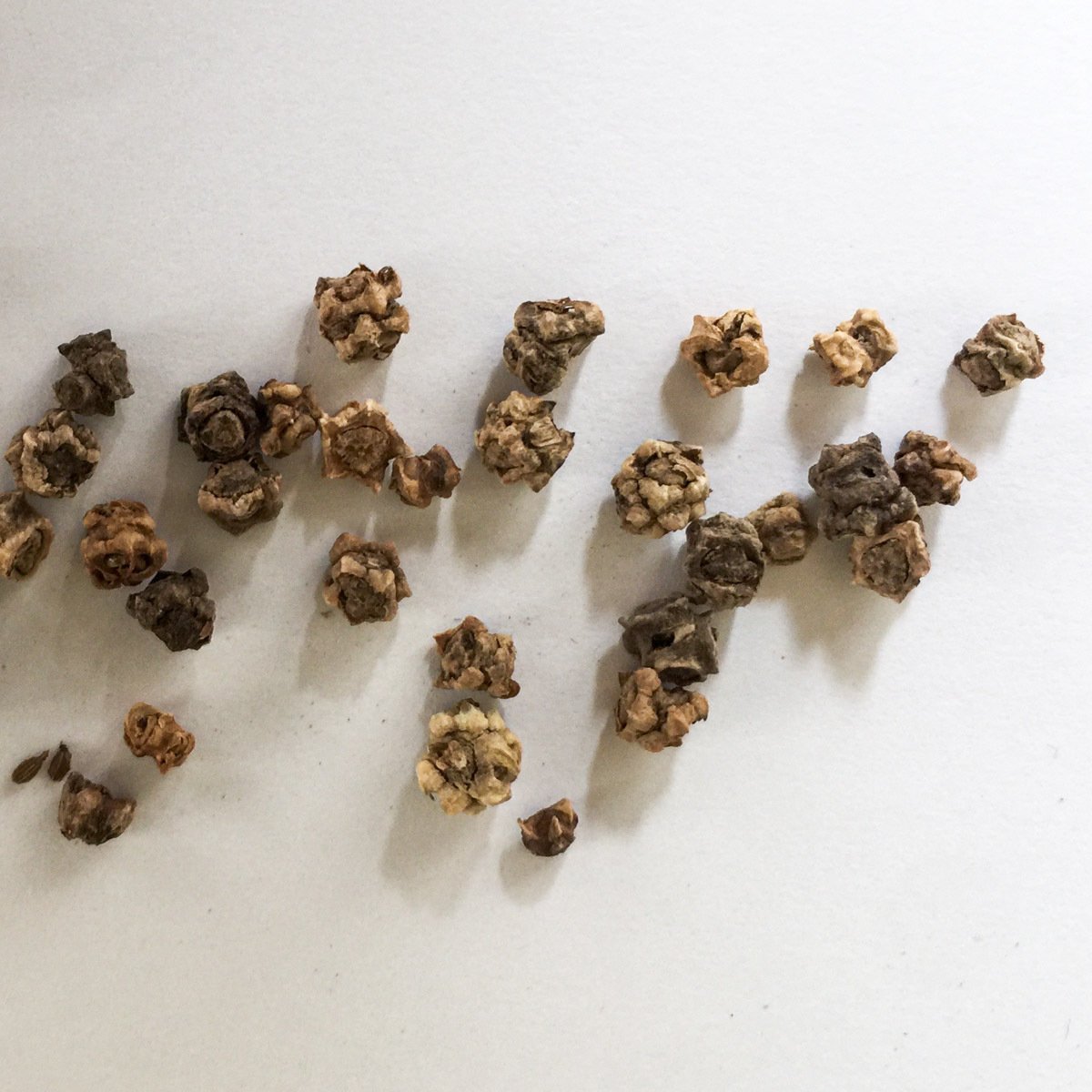
Each chard seed is actually a small nugget containing 3 to 5 seeds. If they all come up, you'll have way too many plants.
If you look closely, you'll see that the stems of the seedlings are different colors: red, pink, and yellow. So you can choose a nice mix.
If you see a spot where nothing came up, just sow a few more seeds.
Each chard seed is actually a small nugget containing 3 to 5 seeds. If they all come up, you'll have way too many plants.
If you look closely, you'll see that the stems of the seedlings are different colors: red, pink, and yellow. So you can choose a nice mix.
If you see a spot where nothing came up, just sow a few more seeds.
Level 4: Caring for your chard plants
Level 4: Verzorging van je snijbiet plantjes
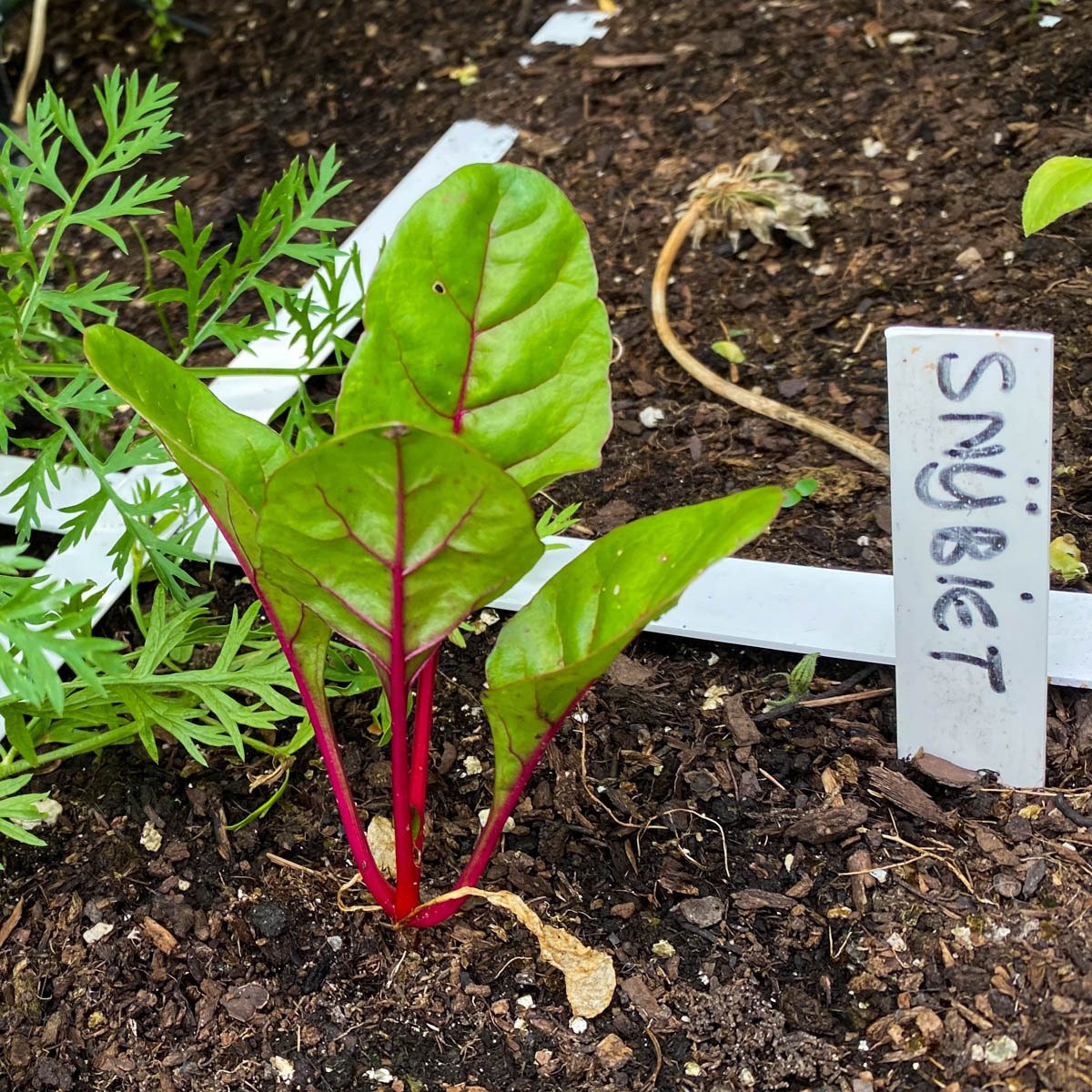
After 3 weeks or so, your seedlings will become small plants.
You hardly need to do anything at this stage: if the weather's dry, give them some water and remove the odd dead or yellow leaf. Easy 🙂
You hardly need to do anything at this stage: if the weather's dry, give them some water and remove the odd dead or yellow leaf. Easy 🙂
Level 5: Harvesting chard
Level 5: Oogsten van snijbiet
About 7 to 8 weeks after sowing, the little plants are ready to harvest.
Cut or pick off a few of the outer leaves. Leave the center of the plants so they continue to grow from the inside out.
The more you pick, the faster the plant will produce new leaves. Just be sure to always leave a few: the plant needs them to produce its nutrients.
By picking as you go, you can continue to harvest from your chard patch throughout the year until the frost sets in. In a mild winter, you can continue to harvest.
Cut or pick off a few of the outer leaves. Leave the center of the plants so they continue to grow from the inside out.
The more you pick, the faster the plant will produce new leaves. Just be sure to always leave a few: the plant needs them to produce its nutrients.
By picking as you go, you can continue to harvest from your chard patch throughout the year until the frost sets in. In a mild winter, you can continue to harvest.
Level 6: Keep harvesting all year round
Level 6: blijf het hele jaar oogsten
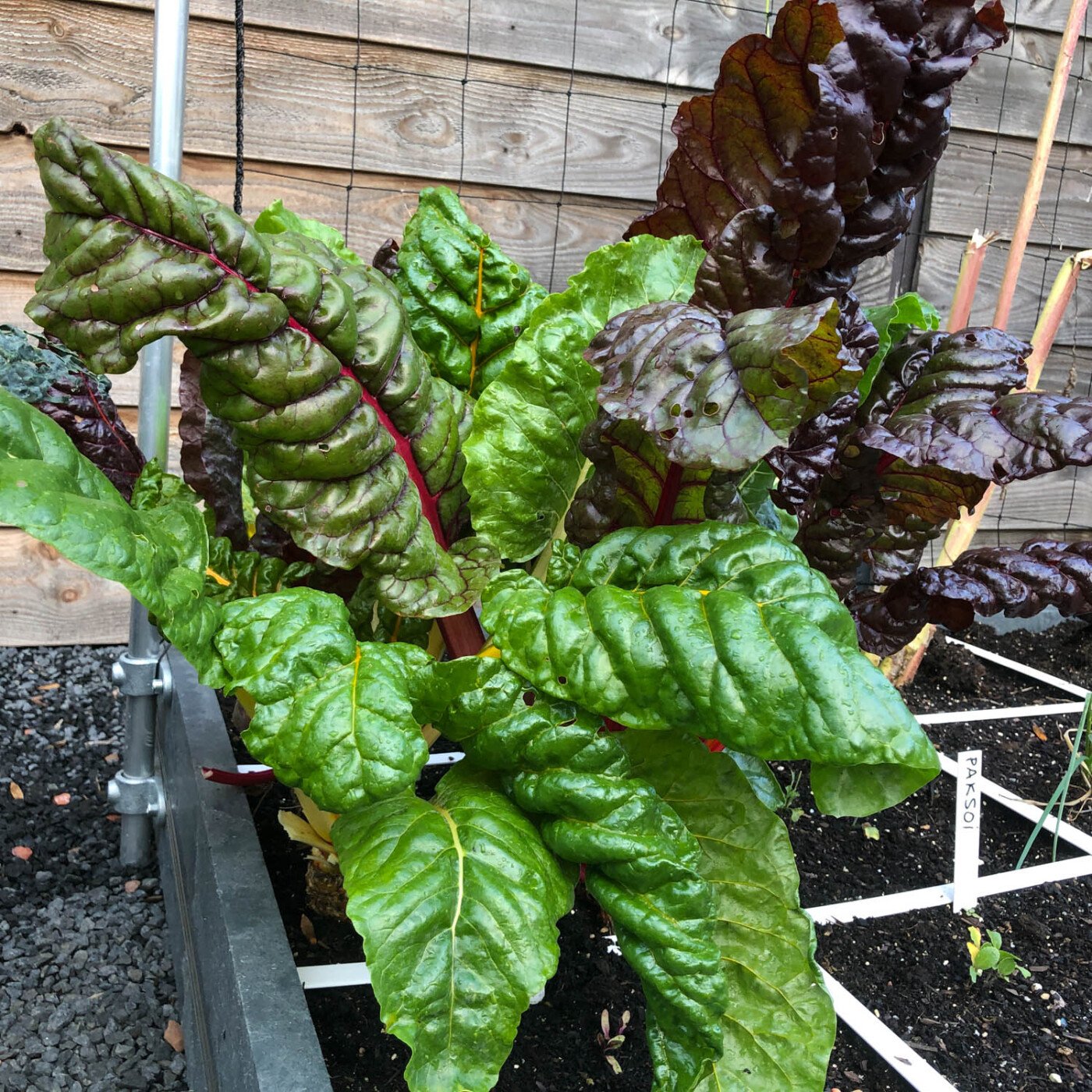
You can leave chard plants in their patch all year.
Until it freezes. Then the leaves get limp and ugly. But in mild winters you can just keep harvesting.
If the plants stay in their patch until spring, they'll start to flower. The leaves won't taste that great anymore, so it's better to remove them.
Until it freezes. Then the leaves get limp and ugly. But in mild winters you can just keep harvesting.
If the plants stay in their patch until spring, they'll start to flower. The leaves won't taste that great anymore, so it's better to remove them.
What do you use chard for?
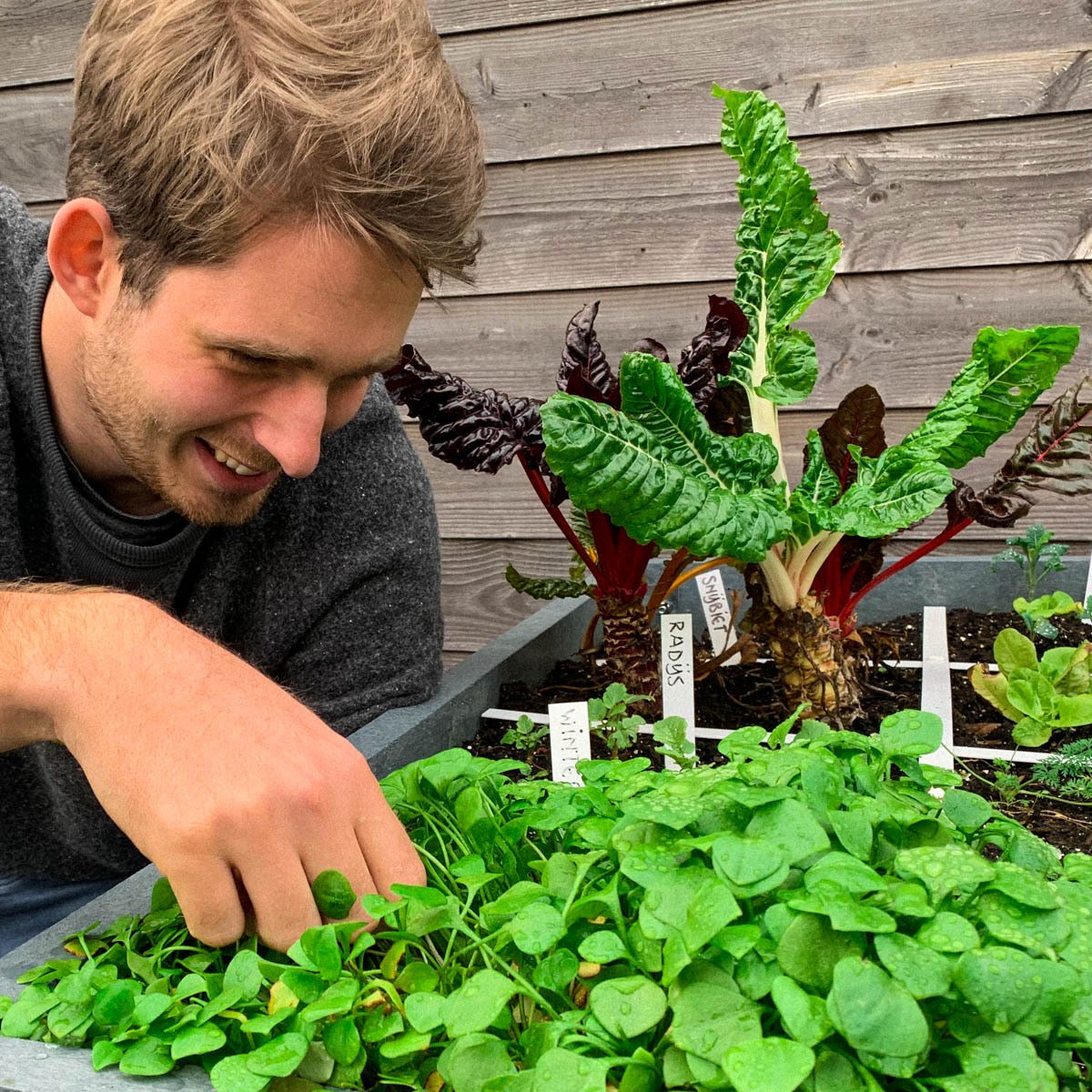
Most people use the leaves like spinach or endive and the taste is somewhere in between.
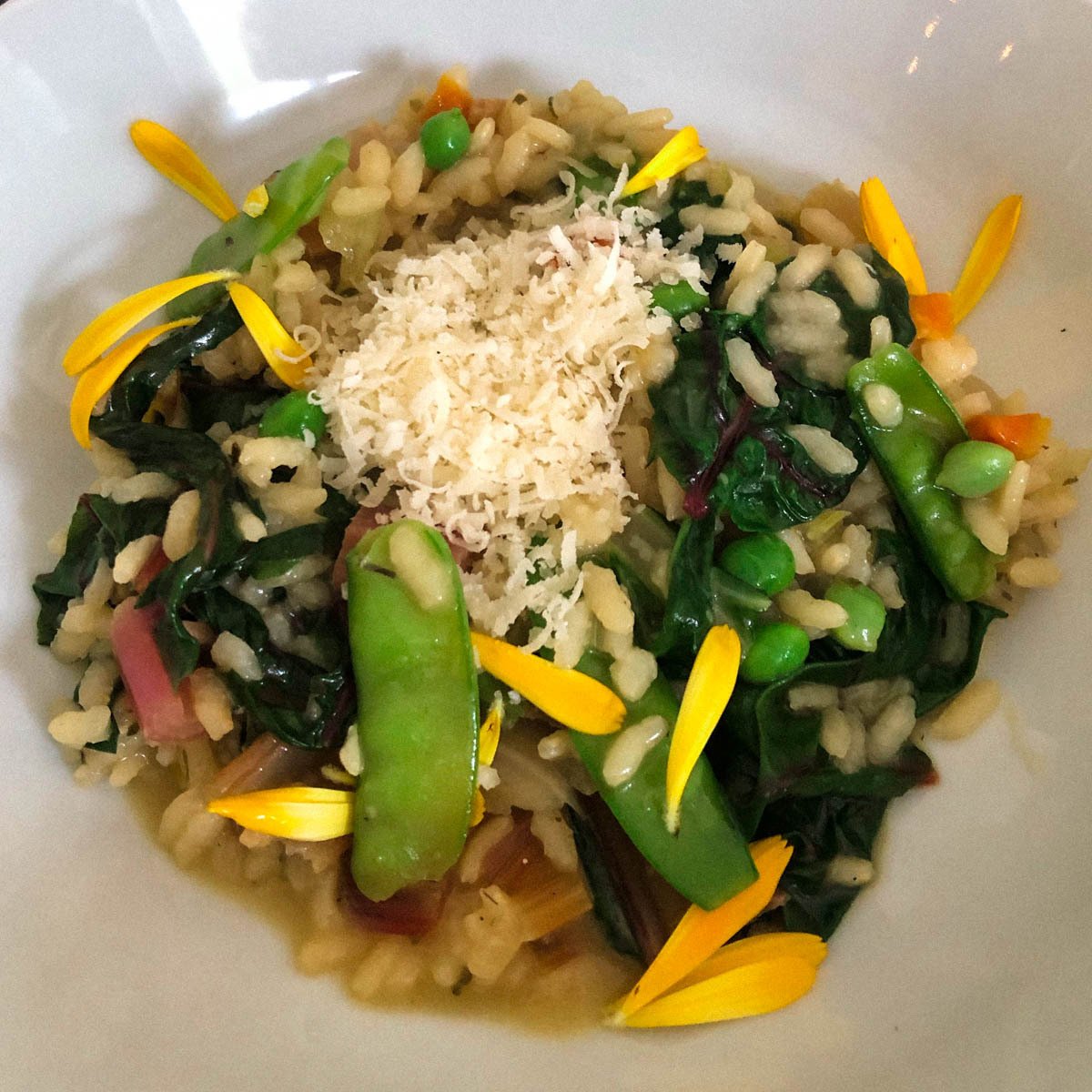
You can boil the chard leaves and stems briefly or add them to a stir fry or stew. The stems need a little longer to cook than the leaves.
You can also eat chard raw: young leaves in salads and older leaves in green smoothies.
You can boil the chard leaves and stems briefly or add them to a stir fry or stew. The stems need a little longer to cook than the leaves.
You can also eat chard raw: young leaves in salads and older leaves in green smoothies.
Chard is very healthy and packed with vitamins and minerals: vitamin A, C, and K, iron, copper, phosphorus, calcium, and potassium.
Chard's been used to treat all kinds of ailments since ancient times.
Healthy flavonoids in chard like lutein, beta-carotene, alpha-carotene, and zeaxanthin are anti-inflammatory antioxidents. So chard can help fight off cardiovascular disease, obesity, diabetes, and cancer.
It's even good for the eyes 😁
Chard's been used to treat all kinds of ailments since ancient times.
Healthy flavonoids in chard like lutein, beta-carotene, alpha-carotene, and zeaxanthin are anti-inflammatory antioxidents. So chard can help fight off cardiovascular disease, obesity, diabetes, and cancer.
It's even good for the eyes 😁
So: ready to grow your own chard?
It's 1 of the easiest vegetables to grow yourself, you can enjoy it for a long time, and it tastes great.
Plus: with our materials and app it's practically impossible to fail 😉
Order your chard seeds here or get started with a complete starter kit:
Plus: with our materials and app it's practically impossible to fail 😉
Order your chard seeds here or get started with a complete starter kit:
Enjoy!